How to Promote a New Product (22 Proven Ways)
 Stacey Corrin
Stacey Corrin
Stacey Corrin
 John Turner
John Turner
John Turner
TL;DR: How to Promote a New Product
The launches that work build interest before day one, then keep the momentum going after.
Here’s the plan I use:
- Build buzz before launch: Tease the product and open a waitlist or pre-orders to measure real demand early.
- Run a pre-launch giveaway: Use RafflePress to grow your email list and get people sharing before you go live.
- Line up your launch-day channels: Email, push notifications, and influencers all drive traffic the moment you go live.
- Keep selling after launch: Origin stories, unboxing videos, and social proof carry momentum for weeks.
- Match the push to the product: Ebooks, digital products, and crowdfunding campaigns each need a slightly different play.
I’ve tested dozens of ways to promote new products. Some flopped. A few took off. And a handful I now use every time I launch something new.
In this guide, I’ll walk you through the best strategies I’ve found for getting real attention on launch day. Whether you’re selling a physical product, an online course, or something else, these ideas can help you get more traffic, grow your list, and actually make sales.
- Why Should You Promote New Products?
- What Are the Types of Product Promotion?
- Pre-Launch Product Promotion Ideas
- Launch Day Product Promotion Strategies
- Post-Launch Ideas to Keep Momentum Going
- Promoting Ebooks, Digital Products, and Crowdfunding Campaigns
- Frequently Asked Questions About Promoting a New Product
Why Should You Promote New Products?
Promoting new products helps you raise product awareness, recognition, credibility, and sales. It will also help differentiate your product from similar products on the market.
Additionally, product promotion lets you collect feedback from customers that you can analyze to create better marketing strategies in the future. With this information, you can learn about market trends, consumption patterns, and more.
One of the biggest benefits of promoting new products is you can use online platforms to make them more visible on the internet. This will ultimately help get your goods in front of your target audience.
What Are the Types of Product Promotion?
There are several types of product promotions to use for your marketing campaign.
Here are some of the most popular:
- Personal selling
- Digital promotions
- Public relations
- Sponsorships
- Sales promotion
- Direct marketing
- General advertising
I’ll explain these product promotion tactics in more detail later.
Let’s get started!
Pre-Launch Product Promotion Ideas
Getting the word out before your product is even available can make a huge difference. I’ve seen much better results when I warm up my audience first, instead of dropping a launch out of nowhere. Here are some of the best ways to build excitement and get people ready to buy.
1. Build Pre-Launch Buzz for Your New Product
One of the best ways to promote a new product is to start before it’s even available. You can tease the product on social media, post sneak peeks, or send early updates to your email list.
I’ve done this by sharing behind-the-scenes photos and hinting at what’s coming. People get curious and start watching for the launch, which means they’re more likely to take action once it goes live.
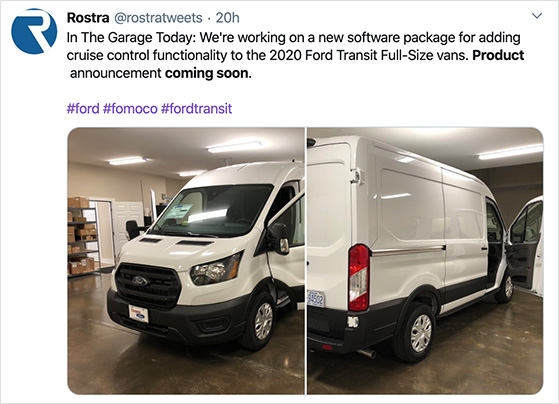
In this example, Rostra hints at a new product feature they’ll be announcing soon. The image coupled with the announcement encourages fans to keep an eye out for more information.
Continue dripping content hinting at your new offering over time to maximize the levels of expectation.
2. Offer Pre-Orders for Early Buyers
If you’re wondering how to promote a new product before launch, letting people place pre-orders is a great option. It builds urgency and gives you a way to measure early interest.
I’ve used this strategy when I wasn’t 100% sure how much stock I needed. Pre-orders helped me plan ahead while still getting sales before launch day.
Gaming companies often use pre-orders to build excitement about a new game launch.
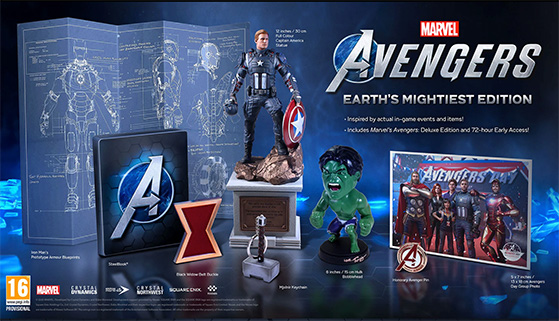
Take the upcoming Avengers game, for example. Gamers who pre-order also get a range of official goodies, including action figures, key chains, pins, and more. People who don’t want to miss out on those exclusives will make sure they snap it up.
3. Run a Viral Giveaway to Promote a New Product
Giveaways are one of the most powerful ways to promote a product online. I’ve used RafflePress to run pre-launch giveaways that grow my email list, get people talking, and create tons of buzz for new products.
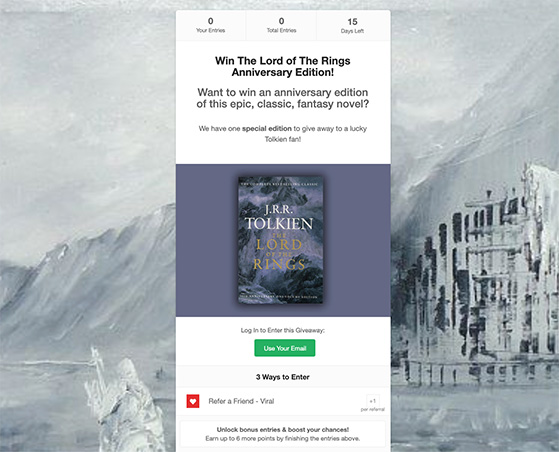
Plus, RafflePress is built around word-of-mouth sharing, so a single giveaway can spread far beyond your existing audience.
Here are a few ways you can promote a new product with a giveaway:
- Offer the product as the prize
- Give away a customized version of your goods to winners
- Ask people to share a message on social media about the product to enter
- Get participants to refer a friend as a way to enter
- Ask entrants to sign up to get emails when your product launches
And for even more contest promotion ideas that can also promote your launch, check this article out.
4. Include Your New Product in Gift Guides
Gift guides are a smart way to get visibility for a new product, especially around the holidays. You can publish your own guide on your blog or pitch your product to roundup posts created by other sites.
What’s more, they’re ideal for getting quality backlinks which can help improve your rankings in search engines.
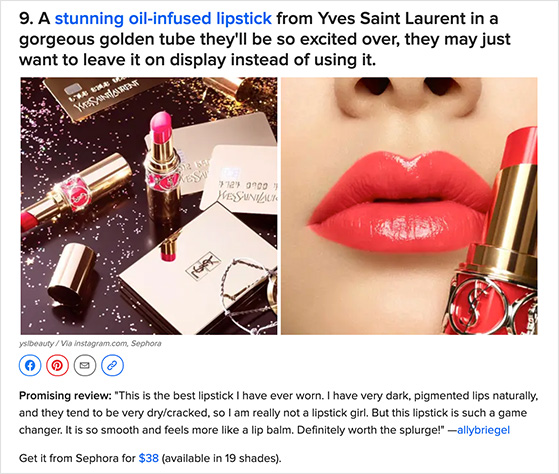
In this gift guide for beauty enthusiasts, for example, the site includes high-quality visuals, a link to the online store, and a customer review to encourage people to click through.
Launch Day Product Promotion Strategies
Launch day is when everything goes live, and you want people paying attention. These ideas can help you reach more people, drive clicks, and make sure your launch isn’t ignored. I’ve used every one of these myself during product releases, and they work well together.
5. Send Product Launch Emails to Your List
Email is one of the best tools for promoting a new product to people who already trust you. Whether you’re offering a discount, showing off product photos, or just announcing that it’s live. Email gives you a direct way to drive traffic.
I like to send a series: one teaser a few days before, one on launch day, and a final reminder with a last-chance offer. These always get the highest click rates during launch week.
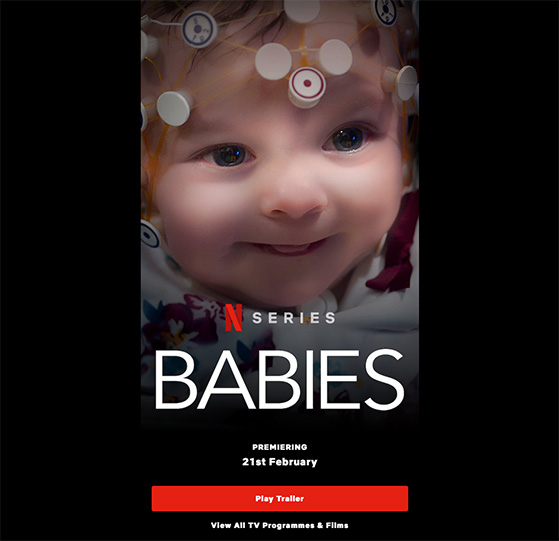
Netflix is great at using its email list for announcements. They make sure to keep their emails minimal, eye-catching, and straight-to-the-point. This leaves fewer decisions for readers to make and guides them to the desired action.
6. Use Push Notifications to Promote Your Product Launch
Push notifications are a fast and reliable way to get the word out on launch day. If someone’s already visited your site and subscribed, you can send a short alert the moment your product goes live.
I’ve used push alerts to promote new product launches during big sales. They grab attention and usually bring in a quick burst of traffic within minutes.
This coloring app, for example, sends notifications to its users for an upcoming event, as you can see below.
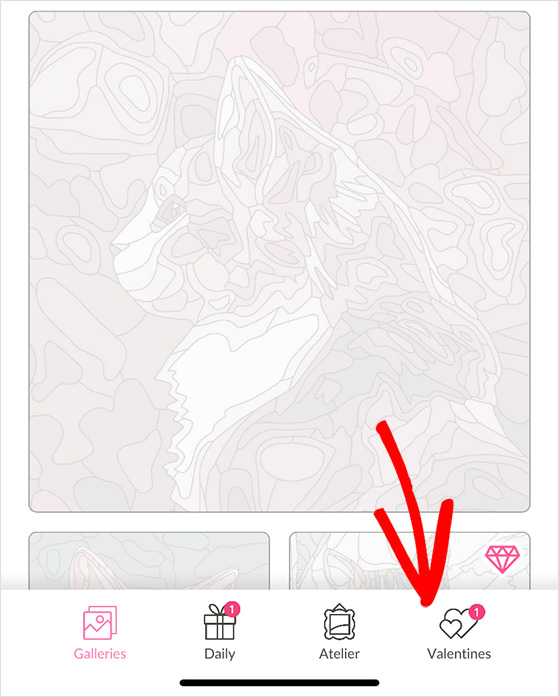
And when users tap to view the notification, they can take advantage of the new features and offers.
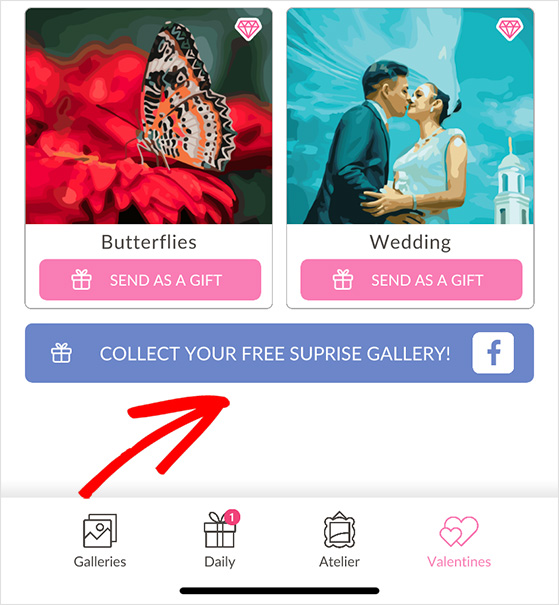
Website owners can learn how to add web push notifications to WordPress in this step-by-step guide.
7. Collaborate With Influencers to Promote Your Product
If you’re learning how to promote a new product to new audiences, influencers can help you reach the right people fast. You don’t need to go after huge names either. I’ve worked with micro-influencers in my niche who had highly engaged followers and saw great results.
A simple post, unboxing, or quick review can create buzz and social proof in one go. Just make sure the influencer’s audience actually matches the people you’re trying to reach.
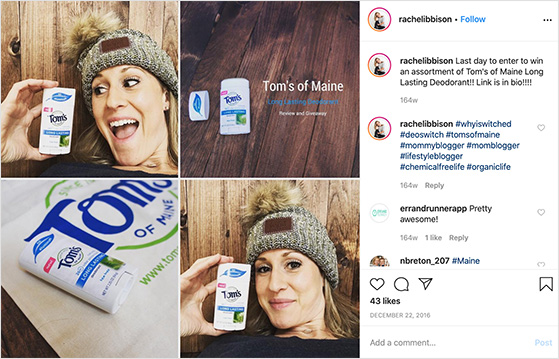
Most influencers are happy to promote products for a free copy of the unit. However, to get involved with the most prolific influencers, businesses should be prepared to pay a fee.
8. Promote a Product Using Affiliate Marketing
One way I’ve extended my launch traffic is by setting up a small affiliate program. It’s a great tactic for marketing a product consistently after launch, since affiliates keep promoting it in exchange for a commission.

I’ve found it especially helpful if you already have relationships with bloggers or creators who like your niche.
9. Use Instagram Stories for Real-Time Product Promotion
Instagram Stories are one of the easiest ways to promote a product on social media. You can show the product in action, demo its features, or just hype up launch day with countdown stickers and swipe-up links.
During one of my launches, I used Stories every day for a week and saw a steady bump in traffic each time. The key is to stay consistent and mix behind-the-scenes content with direct product info.
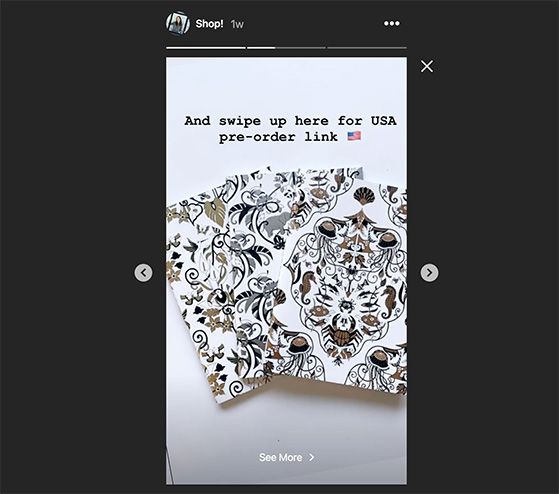
You can take an approach similar to the example above, where the small business includes a quick shot of the product and some text asking people to swipe up to learn more. Sometimes the simplest way is often the most effective.
10. Create a Shoppable Post to Showcase Your Product
Shoppable posts make it super easy for people to go from seeing your product to buying it. If you’re using platforms like Instagram or Facebook Shops, you can tag your product directly in posts and stories.
This is one of the simplest ways to turn visibility into sales when you’re promoting a new product. I’ve used these for quick launches and seasonal promos, and they consistently bring in clicks with minimal effort.
To be eligible for a shoppable Instagram feed, you need to have the following:
- The latest version of the Instagram app
- A business Instagram profile
- Have admin or manager access to the account
- A product catalog associated with a Facebook shop
After waiting for approval, you’ll get a notification letting you know if you’re approved for product tagging. Then you can move on to the next step, which is setting up those tags.
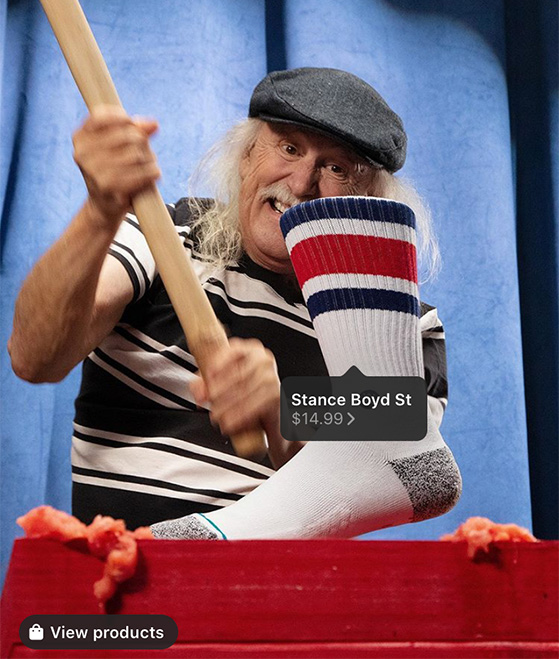
To set up product tagging on Instagram, take the following steps:
- Tap the Get Started notification at the top of your profile
- Or tap the gear wheel if you don’t see the alert
- Select Products
- Choose Continue
- Select the product catalog to connect it to your profile
- Choose Done
Now to tag products in your posts on Instagram, follow this checklist:
- Choose a photo and add your desired captions and filters
- From the share screen, tap Tag Products
- Enter the name of the product and select them when they appear
- Choose Done
- Tap Share
Perfect, now your fans can buy that product right from the Instagram app!
11. Promote the Benefit That Solves a Real Problem
When you’re writing product copy or creating graphics, try leading with a promise. What does your product actually help someone do? What problem does it solve?
Clear messaging is one of the most important things to get right when you’re figuring out how to market a product online. I’ve seen better results just by rewriting my callouts to focus on the outcome, not just the features.
Let’s use Apple as an example:
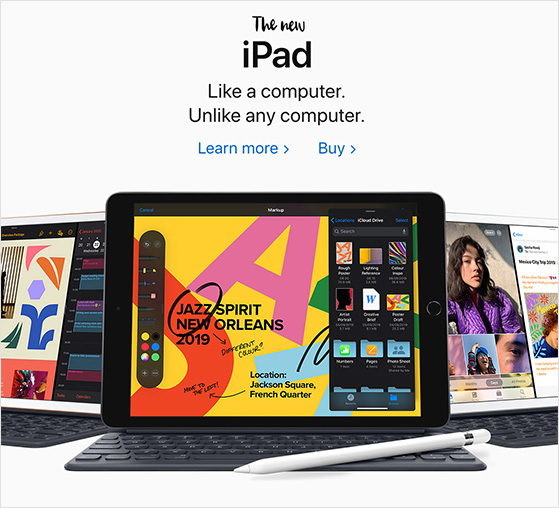
Apple’s promise is to inspire its customers to see the world a little differently. Which also happens to be how they build their products. And they can deliver on that promise with the proof being in their huge success and cult-like following.
So the bottom line here is to make a genuine promise during your promotions and over-deliver it.
Free: Download Our Giveaway Playbook
Templates, prize ideas, and promotion strategies in one guide.
Post-Launch Ideas to Keep Momentum Going
Just because the product is out doesn’t mean your promotion should stop. Some of my biggest wins have come from things I did after launch day. These strategies can help you stay visible, reach new audiences, and keep customers coming in long after the initial buzz.
12. Share Your Product Origin Story
Every product has a story: why you made it, who it’s for, what inspired you. Sharing that story helps people connect with it.
This is a great way to introduce a new product without being pushy. I’ve added short backstories to product pages or Instagram captions, and it almost always sparks comments or messages from people who relate.
You can build this kind of connection by getting potential customers involved with the story in the following ways:
- Sharing the ideas behind why it was created
- The process involved in building your product
- Any struggles you faced along the way
- Breakthrough moments that showed you were on the right track
- …and more.
Just remember to keep the story genuine. Making up a story will only cause problems further down the road and hurt your reputation.
13. Make an Unboxing Video to Show the Product in Action
Unboxing videos are simple, visual, and work really well for building trust. When people see what’s inside and how it works, they’re more likely to buy.
I’ve used short, low-effort unboxings on Instagram and TikTok to promote new products and they always get solid engagement. You don’t need fancy gear, just good lighting and a quick walkthrough.
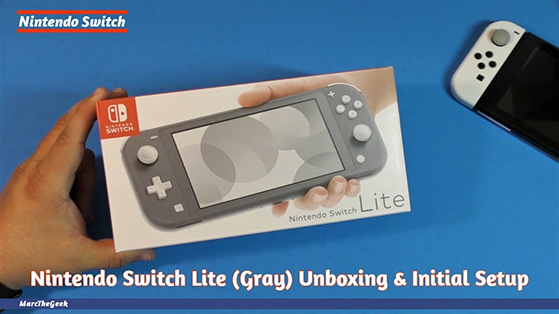
So why not go further by creating your own unboxing video, one of the most popular types of video on YouTube. That way, you can also induce the fear of missing out in your viewers by revealing what they could get their hands on.
14. Reach Out to Bloggers for Product Features
If you’re looking for more ways to get your new product in front of the right audience, bloggers can help. I’ve pitched my launches to niche blogs with loyal readers and gotten both traffic and backlinks in return.
Look for bloggers who already write about similar products. A friendly, personalized email with a free sample or affiliate offer goes a long way.
You can also get bloggers involved with the following activities:
- Sharing sponsored ads on their social media networks
- Writing their own gift guides featuring your items
- Recording vlogs reviewing your product
- Attending events on your behalf as a brand ambassador
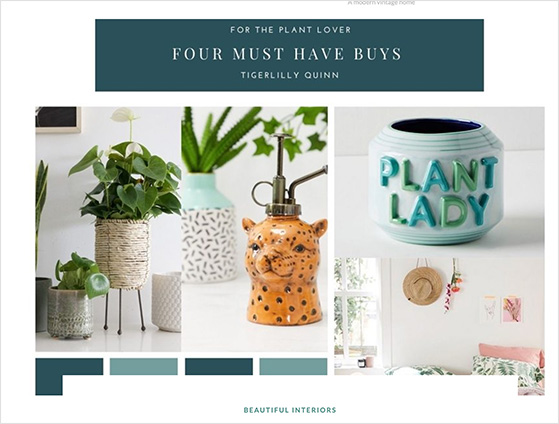
In this article, the blogger rounds up her favorite plants, linking to each product with an affiliate link. This effectively promotes the product and, if her readers make a purchase, earns her a commission too.
15. Release Your Product in Batches to Build Demand
Sometimes launching slowly works better. When I’ve done limited releases or opened a waitlist, the product felt more exclusive, and people wanted it more.
If you’re thinking about how to promote a new product when you’re unsure of demand, this approach gives you time to scale while creating natural buzz.
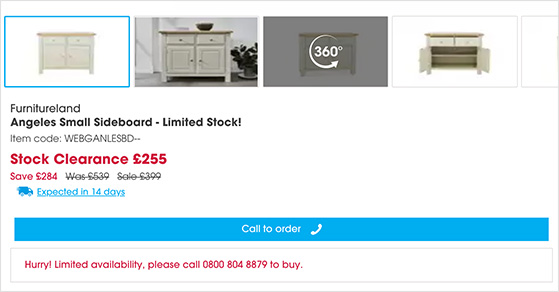
You can use scarcity marketing by releasing your product in limited batches. It encourages people to snap it up while there’s still stock and raises anticipation for the next release.
16. Promote Your Product on Pinterest with Visual Pins
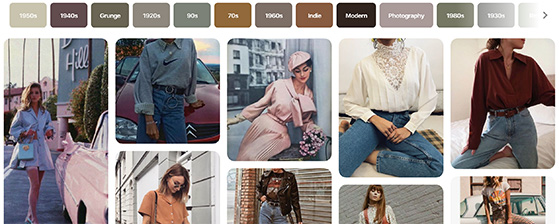
Pinterest is underrated when it comes to product marketing strategies. I’ve used it to drive steady traffic to product pages just by pinning images with short descriptions and direct links.
If your product looks good in photos, even better. Create a few simple pins with a clear benefit and a bold title, then link back to your sales page or blog post.
And if you optimize your Pinterest boards around the product category, chances are you’ll appear in search engine results and get more leads from Pinterest.
Click here to learn how to run a successful Pinterest contest.
17. Add a Social Media Feed to Promote Your Product
I like adding an Instagram or TikTok feed to my website whenever I’m running a promotion. It keeps the page fresh and shows real-world content, which builds trust.
This is a quick win if you’re trying to promote your product across multiple channels. You can use a plugin like Smash Balloon to set it up in just a few clicks.
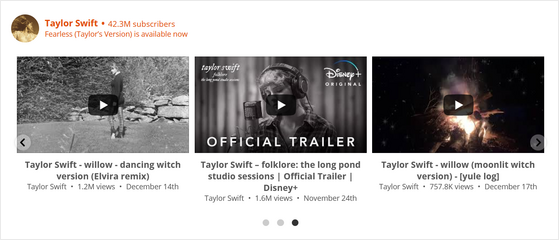
With Smash Balloon, it’s super easy to embed a feed anywhere on your site. Simply install the plugin, connect your social media account, and in less than 30 seconds, you can display a beautiful feed.
There are 5 Smash Balloon plugins to choose from:
- Instagram Feed Pro – Display hashtag feeds, Instagram Stories, IGTV videos, shoppable posts, and more.
- Feeds for YouTube Pro – Showcase a playlist of your YouTube videos, including live streaming videos.
- Custom Facebook Feed Pro – Integrate Facebook photos, albums, events, videos, and more.
- Custom Twitter Feeds Pro – Display your tweets or a feed of tweets that mention your account.
- Social Wall Pro – Combine feeds from Instagram, YouTube, Facebook, and Twitter into 1 awesome feed.
18. Use Product Recommendations to Boost Visibility
Adding product recommendations is a great way to get more attention on your new launch. I’ve added “You Might Also Like” sections and noticed a clear bump in clicks to newer items.
If you’re wondering how to promote a new product to repeat visitors, this is one of the easiest things to try. Just update your existing product pages to include the new item.
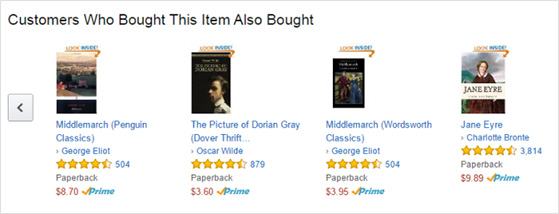
Here are a few places you can insert product recommendations:
- A featured product image carousel on your homepage
- Related product sliders on other product pages
- In product categories as a complimentary item
- In the sidebar, alongside blog posts mentioning the goods
- On the checkout page as a discount bundle
You can also use high-traffic content to promote products too. Use your analytics software to identify your top-performing posts and pages, and include your new range as a recommendation to drive more traffic that way.
And you can also easily add product recommendations to any landing page with a plugin like SeedProd.
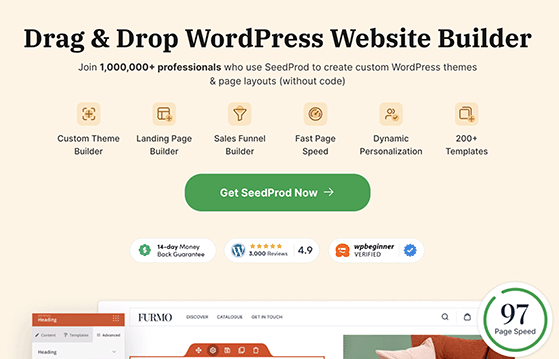
SeedProd is a drag and drop landing page builder that comes with ready-made WooCommerce blocks like featured products, recent products, sale products, add-to-cart buttons, and more.
You can add these blocks to a product sales page, special offer page, custom checkout page, or even a webinar page to promote your latest offerings.
19. Use Social Proof to Build Trust
When you’re figuring out how to promote a new product that no one knows yet, social proof makes a huge difference. Reviews, testimonials, star ratings, or even a simple “200+ people have already bought this” can build instant credibility.
I’ve added small trust signals to my product pages and watched conversions go up. It doesn’t have to be flashy, just real.
My favorite tool for social proof is TrustPulse. It works by displaying popups whenever someone buys a product on your site.
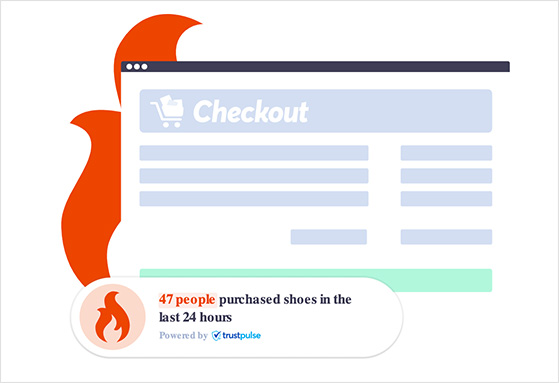
There are even On Fire Notifications for triggering FOMO, which shows how many people have bought the item in a set period of time. This can speed up your product cycle and encourage people to buy sooner.
20. Write Guest Articles
Guest posting works. I’ve written for other blogs in my niche to get eyes on a product launch and build authority at the same time.
Make sure your article helps the audience solve a problem, and then include a natural link or mention of your product as part of the solution.
Put together a list of sites in your field of interest and personally reach out to them with your article pitch. But remember, don’t try and sell your product. Instead, pitch informative, educational, and entertaining content the host site’s audience will find useful.
21. Create an Infographic
Infographics are great for visual learners and super shareable across blogs and social platforms. I’ve used them to explain features or compare product options in a way that’s easy to digest.
If you’re trying to promote a new product while also building links and engagement, this is a smart content play.
Commission an infographic that communicates the value of your product to your desired audience. It doesn’t have to be anything flashy. Simple is often the best way to go when communicating ideas.
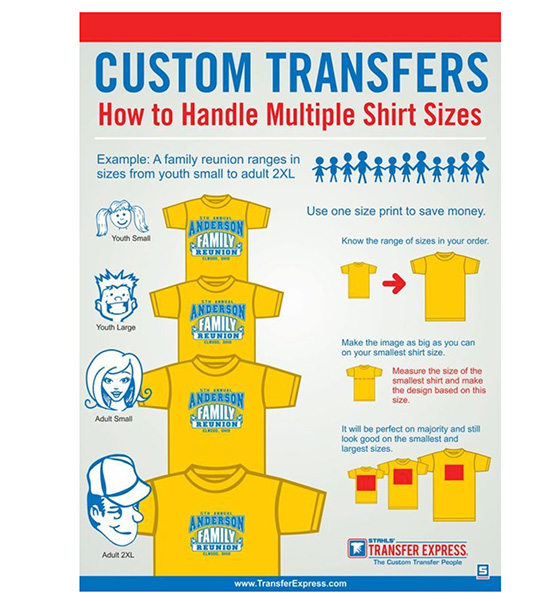
For instance, this infographic shares how the product works, which can remove the barriers preventing people from getting involved.
22. Write a Press Release
Press releases might sound old-school, but they still work, especially for visibility on Google News and PR distribution sites.
I’ve used them to summarize big product launches in a professional format. It’s a solid way to promote your product to bloggers, journalists, and search engines all at once.
So alongside sending releases to services like HARO and PRWeb, seek coverage of products related to your own. Then reach out to those journalists or publications with your own release and a personalized pitch, referencing their similar coverage.
Promoting Ebooks, Digital Products, and Crowdfunding Campaigns
Not every launch is a physical product. Ebooks, digital downloads, and crowdfunding campaigns each need a slightly different push, but the pre-launch playbook above still does most of the heavy lifting.
How Do I Market an Ebook or Digital Product?
Marketing an ebook comes down to getting it in front of people before you ask them to buy. When I’ve helped first-time authors, the ones who struggled almost always skipped the pre-launch stage and published to silence.
The fix is a simple funnel. Run a giveaway to drive traffic, send that traffic to a landing page, and turn visitors into email subscribers you can sell to later.
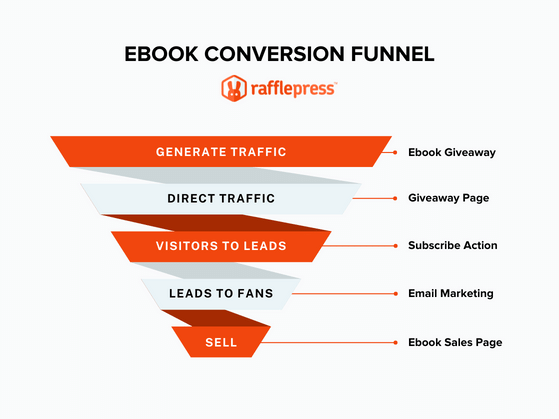
Here’s the ebook marketing funnel I’d start with:
- Run a giveaway on social media to promote your book
- Send entrants to a giveaway landing page on your site
- Ask them to join your email list as an entry action
- Nurture those subscribers with a short email sequence
- Point them to your ebook sales page when you launch
RafflePress handles the first three stages in one go, and its pre-launch giveaway template is built for exactly this. Offering the ebook free as a lead magnet also grows your list faster than almost anything else, and then you sell the follow-up.
For the full walkthrough, see my guide on how to do a book giveaway.
How Do I Promote a Kickstarter or Crowdfunding Campaign?
Crowdfunding is usually won or lost before launch day. The campaigns I’ve seen hit their funding goal in the first 48 hours almost always spent 60 to 90 days building an email list first, so they launch to a warm audience instead of an empty page.
A pre-launch giveaway is the fastest way to build that list. Offer a limited prototype or an early-bird reward as the prize, then use RafflePress’s refer-a-friend action so each entrant brings in more potential backers.
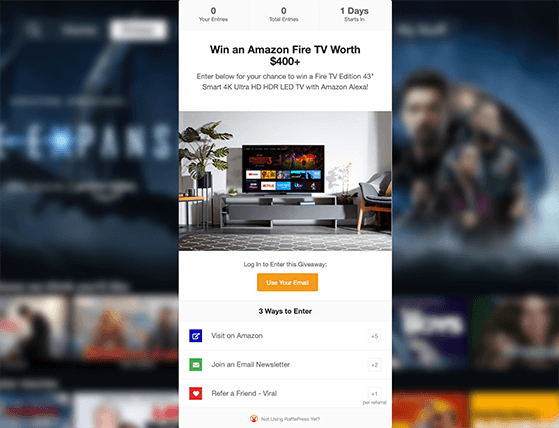
Publish the giveaway on a distraction-free landing page, link it from your campaign’s pre-launch page, and share it everywhere your future backers spend time. Time a second product launch giveaway to your campaign start date to spike those crucial first-day pledges.
Frequently Asked Questions About Promoting a New Product
How far in advance should I start promoting a new product?
Start building interest 30 to 90 days before launch, depending on the size of the launch. That window gives you time to grow an email list, run a pre-launch giveaway, and warm up your audience so you’re not launching to silence. Bigger launches and crowdfunding campaigns need the longer end of that range.
What’s the cheapest way to promote a new product?
A giveaway paired with your email list is the most cost-effective option I’ve used. You can run a viral giveaway with a single prize, grow your list through refer-a-friend sharing, and reach people through your own channels without paying for ads. Email, push notifications, and organic social cost little beyond your time.
How do I market an ebook when I have no audience?
Build the audience first with a pre-launch giveaway. Offer a free copy or a related prize, send entrants to a landing page, and ask them to join your email list to enter. That gives you a warm list of interested readers to sell to on launch day, instead of publishing to no one.
How do I promote a Kickstarter campaign before it launches?
Spend the 60 to 90 days before launch building an email list of interested backers. A pre-launch giveaway with a prototype or early-bird reward as the prize works well, especially with a refer-a-friend action that spreads the word. Then email that list the moment your campaign goes live to drive early pledges.
Final Thoughts on How to Promote a New Product
You don’t need a huge ad budget or a big team to have a successful launch. Every idea in this list is something I’ve either used myself or seen work for small business owners, and most of them are low-cost or free to try.
If you’re just starting out, pick two or three product promotion strategies that feel doable and focus on those first. Once you see what works, you can build from there.
Ready to promote your new product with a giveaway that gets people talking?
👉 Get Started with RafflePress
And if you want to secure loyal customers, check out our best business giveaway ideas here.
Don’t forget to follow us on YouTube, Twitter, and Facebook for more great tips to grow your business.


