How I Drive Online Sales Through Social Media (8 Tactics That Work)
 Stacey Corrin
Stacey Corrin
Stacey Corrin
 John Turner
John Turner
John Turner
TL;DR
Increasing online sales through social media means turning followers and casual scrollers into paying customers, not just collecting likes. Industry data points to social being one of the strongest channels for this, with most top-performing sellers using it and engaged shoppers spending noticeably more with brands they follow.
- Run a giveaway: The fastest way to go viral, reach new buyers, and build an email list you can sell to again.
- Show user-generated content: Real customer photos and reviews convince shoppers far more than polished brand posts.
- Pick the right platforms: Focus on the two or three networks your audience actually uses instead of spreading thin.
- Use shoppable posts: Let people buy directly from Instagram, Facebook, or Pinterest without leaving the app.
- Run flash sales: Short, urgent promotions drive a spike in sales when you announce them well.
- Track what works: Use UTM links and platform shop analytics so you know which posts actually drive sales.
You post to social media every week. You get likes, a few comments, maybe a new follower or two. But none of it turns into actual sales, and you are not sure what you are doing wrong.
That gap between engagement and revenue is the real problem, whether you run a candle shop, a food blog, or a freelance service. The good part is that the fix is rarely “post more.”
In this guide, I will walk you through how to increase online sales through social media using eight tactics I have seen work, from viral giveaways to shoppable posts.
How to Increase Online Sales Through Social Media
These eight tactics cover the full range of social selling, from organic reach to paid promotion. I will flag which ones cost money as we go, so you can start with the free tactics if your budget is tight.
- Use Interactive Content to Engage and Educate
- Showcase User-Generated Content
- Use the Social Networks Your Audience Loves
- Create Shoppable Social Media Posts
- Get Brand Advocates and Influencers to Help
- Create Branded Hashtags for More Reach
- Run Limited-Time Flash Sales
- Keep Your Posting Schedule Reliable
1. Use Interactive Content to Engage and Educate
It is tempting to try the hard sell with every post you share. But people use social platforms in their spare time, and they want to relax or be entertained, not be pushed to spend money.
One way to promote your products without seeming pushy is to run a giveaway or contest. These posts spread quickly beyond your usual followers, especially when you ask people to share and tag friends to enter.
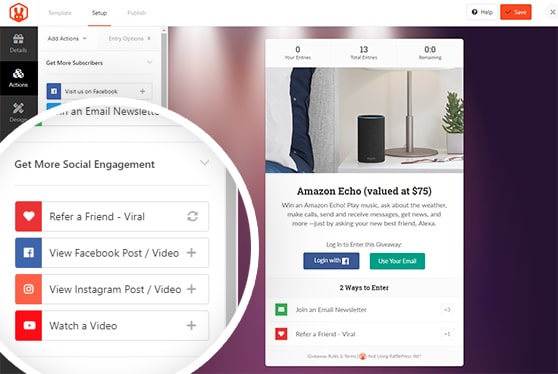
A giveaway is the easiest way to go viral and reach a wider audience. The refer-a-friend entry action is the one I have watched do the heavy lifting, where each entrant shares the giveaway to earn more entries and brings new people in for you.
Here is the part most people miss. A giveaway does more than spike reach for a week. It builds an email list of people who already want what you sell, and you can turn that list into repeat sales long after the contest ends.
If that sounds like a lot of work, it is not. Running a giveaway is straightforward with a tool like RafflePress.
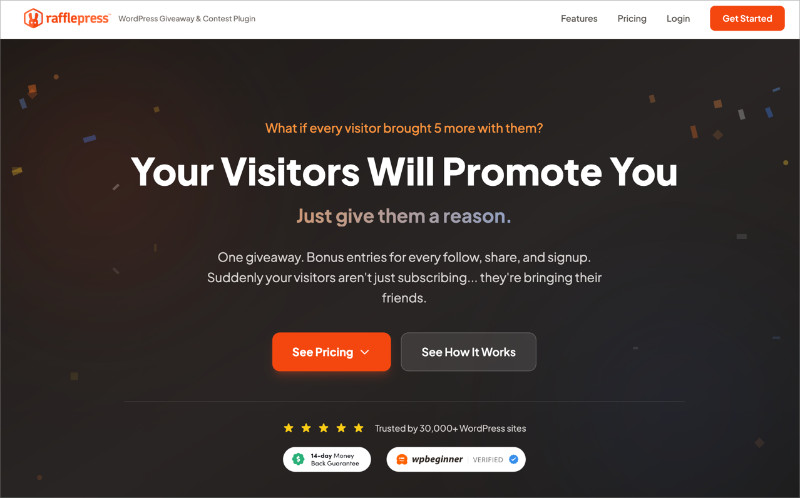
RafflePress is a WordPress giveaway plugin that grows your email list, social following, and traffic through refer-a-friend viral contests. It runs entirely inside your WordPress dashboard, so there is no separate platform to manage and no embed code to wrestle with.
For driving sales, the parts that matter most are the ones that turn entrants into customers you can reach again:
- Refer-a-friend action: entrants share your giveaway to earn entries, which spreads it to new buyers
- Email list growth actions: capture entrant emails straight into your marketing list
- Distraction-free landing pages: a clean page you can share on social or use in ads
- Pre-made templates: start from a goal-based template instead of a blank screen
No coding or tech skills are required, and you can set everything up in minutes.
Ready to drive sales with a social media contest? Get started with RafflePress today.
2. Showcase User-Generated Content
Shoppers read online reviews before buying, and more of them are turning to social media to find genuine ones. That is where user-generated content earns its place in your social selling.
Research from UGC platform Stackla suggests about 79% of people say user-generated content shapes their buying decisions, while far fewer feel the same way about content that comes straight from a brand.
So how do you get social proof like this on your profiles? If customers are already leaving positive reviews and testimonials, share them with your audience.
Whether you are resharing Instagram stories, reacting to a TikTok, or cross-posting to Facebook, that content boosts your social proof. It also makes your profiles look more authentic, which builds trust.
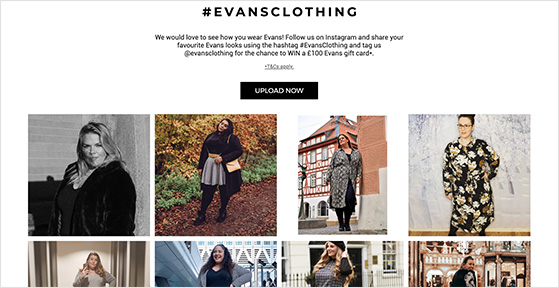
One effective way to get this content is to encourage customers to share positive experiences through photos and videos on social media.
You can also display this content on your own site by embedding a social media feed. If you run a WordPress site, Smash Balloon pulls your Instagram, Facebook, and other feeds straight onto your pages so the user-generated content shows up where shoppers are already buying. You can try Smash Balloon to set it up.
3. Use the Social Networks Your Audience Loves
You do not need to be on every platform. Spreading yourself across all of them usually does more harm than good, because you end up posting thin content everywhere instead of strong content where it counts.
Every platform has a specific audience and specializes in different content. Facebook skews toward adults, Instagram and Snapchat pull in younger audiences, and LinkedIn is where B2B social selling tends to land.
Connect with your audience on the platforms they use most. That is where you will see your sales and conversion rates improve.
If you are not sure which content works best on each platform, here is a list to start you off:
- Instagram: photos and short video clips with captions that tell a story
- Facebook: long-form written content and videos
- Twitter: short news-worthy messages, videos, and pictures
- Snapchat: short, entertaining videos
- YouTube: long-form educational and entertaining videos
- TikTok: short, entertaining videos and music
- Pinterest: recipes, DIYs, and product information
Picking the right platform is only half of it. The other half is actually engaging once you are there.
Reply to comments, answer DMs, and respond when someone tags you. I have seen a single helpful reply to a “where can I buy this?” comment turn into a sale that a scheduled post never would have closed.
Take GoPro as an example. Their Instagram profile has a distinct look that fits their brand perfectly.
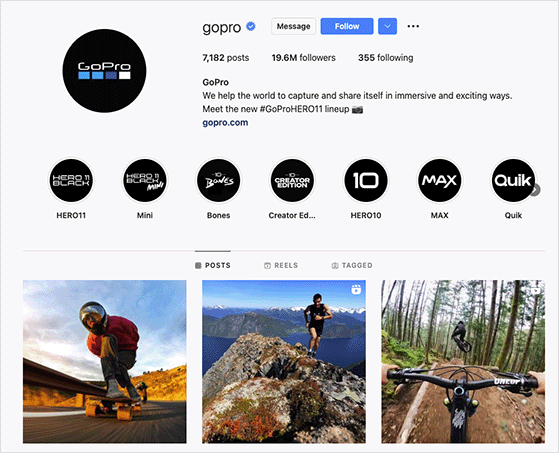
GoPro uses a consistent color palette, shares high-quality content built for Instagram, and uses all of Instagram’s tools to reach its target demographic. Follow a similar approach and your chances of increasing sales improve.
4. Create Shoppable Social Media Posts
Shoppable posts let people buy your products directly from social media. This is where social commerce gets real, because you remove the gap between “I want that” and checkout.
Instagram is a strong example. It lets you tag products in posts and stories so users can visit the product page and check out on your site.
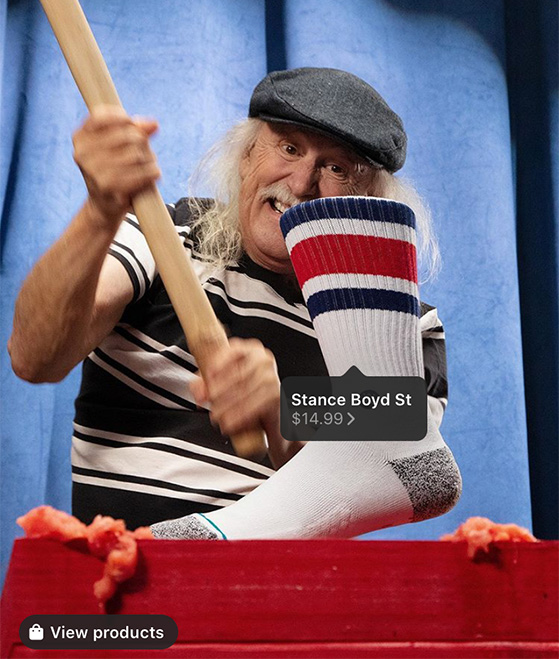
Shoppers enter their card and delivery details on the checkout page, and the purchase is complete. They can then track orders and get shipping updates inside the Instagram app.
The only thing you need to get started is a business Instagram account. Setting up the shop is free, though boosting those posts to a wider audience is a paid option if you choose to use it.
Other platforms offer the same kind of eCommerce tools. Facebook has a shop section for listing products, and Pinterest offers buyable pins where users buy directly from the app.
5. Get Brand Advocates and Influencers to Help
If you are just starting on social media, influencer marketing can help you reach a large audience fast and boost sales.
There are thousands of influencers with different audiences, so do your research to find ones who serve your industry. That makes their followers more likely to want your products.
Influencer marketing works by asking them to promote your brand with honest reviews, tutorials, and interaction. Most agree in exchange for free products, affiliate links, and sometimes payment.
These collaborations put your brand in front of the influencer’s audience, and because that audience trusts them, they are more likely to enter your sales funnel.
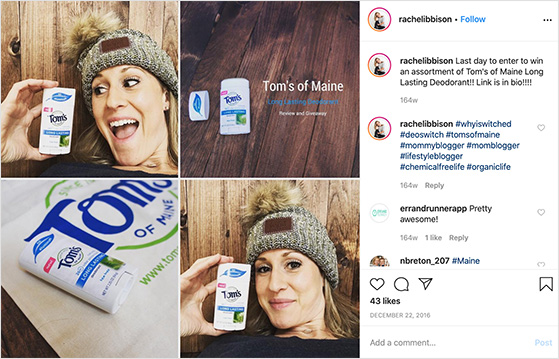
Approaching influencers can feel intimidating. If it does, start with your most loyal customers instead. Ask your top customers to review their experience or promote your products for a discount, freebies, or other perks.
Some businesses run referral programs where customers share a link with friends and family. The customer then earns discounts and free products when the referral converts.
6. Create Branded Hashtags for More Reach
Hashtags make your posts easier to discover, which raises brand awareness. They also build community, because fans find each other by browsing the same hashtag.
Create unique branded hashtags to help users understand your posts, drive engagement, and increase visibility. Branded hashtags also help people find user-generated content tied to your brand.
Take a look at KFC’s Twitter profile:
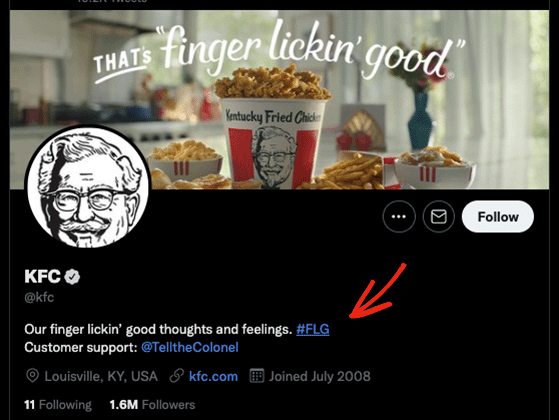
That blue text is a branded hashtag. Click it and you will see thousands of people using it and posts talking about KFC.
Hashtags work beyond Twitter too. Facebook, Pinterest, YouTube, Instagram, and TikTok all support them for search and community. You can also use giveaway hashtags to extend the reach of your social media contest.
When you create your hashtag, keep it simple, easy to remember, and matched to your brand’s personality.
7. Run Limited-Time Flash Sales
Flash sales are another way to drive sales on social media. As the name suggests, flash sales run over a short, limited window.
Most companies announce a flash sale only an hour or two before it launches. That creates urgency and pushes customers to grab the deal before it ends, especially when the sale runs for no longer than a day.
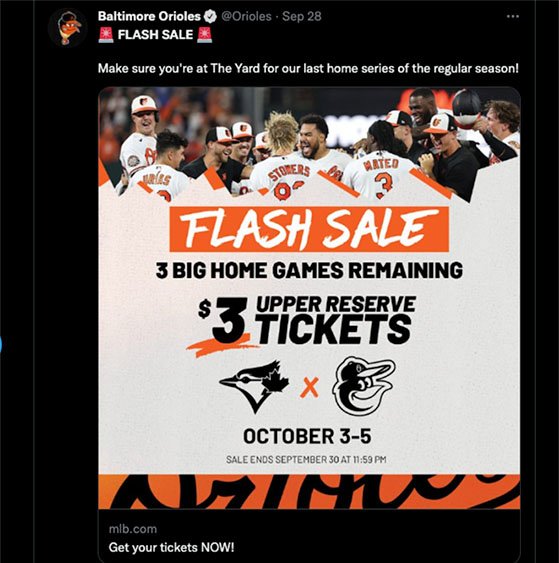
Promote your flash sale on social media to get the most sales and engagement. Instagram and Facebook are the most popular platforms for this.
You can create a Facebook event to build early buzz with your Facebook followers. On Instagram, publish stories and teaser posts about the sale.
If your following is small, social media advertising can help promote the sale. Facebook ads are a paid option that helps counter the drop in organic reach, and they let you target specific demographics, interests, and industries.
8. Keep Your Posting Schedule Reliable
Before you set a schedule, decide what each post is for. The single biggest difference between accounts that sell and accounts that just exist is a content plan with clear goals behind it.
Map your posts to a goal: build awareness, drive a sale, collect emails, or showcase social proof. Random posting fills a feed, but planned posting moves people toward a purchase.
Consistency matters because the lifetime of a social post is short, from minutes to hours, so you want to maximize engagement before it disappears into the feed.
Here is a general idea of how long posts last on each platform:
- TikTok: minutes unless it goes viral
- Twitter: 15 to 20 minutes
- Facebook post: about 5 hours
- Instagram stories: 24 hours
- Instagram feed: about 48 hours
- YouTube video: up to 30 days
- Pinterest pin: 6 to 12 months
You will need fresh content regularly to get the most from social media. But do not bombard your followers, or you risk annoying them and losing the ones you have.
Experiment with different posting schedules and see what works for your audience. Once you find that sweet spot, stick with it.
A consistent schedule helps you maximize your reach and engagement and, in turn, increase your online sales.
How Do You Know Which Posts Are Driving Sales?
You can tell which posts drive sales by tagging your links and checking each platform’s built-in analytics. Without tracking, you are guessing, and guessing is how good tactics get dropped before they pay off.
Here is how to see what is actually working:
- Add UTM links: tag the links you post so your analytics shows exactly which post or platform sent a buyer
- Check platform shop analytics: Instagram, Facebook, and Pinterest all report product taps, visits, and sales from their shop tools
- Watch the path, not just the click: attribution matters, so look at which content led to a sale, not only which post got the most likes
Once you can see which tactics drive sales, double down on those and quietly drop the rest. For deeper benchmarks, our social media marketing statistics roundup is a useful reference.
Free: Download Our Giveaway Playbook
Templates, prize ideas, and promotion strategies in one guide.
Frequently Asked Questions
Does social media actually increase sales?
Yes. Social media increases sales by putting your products in front of shoppers, building trust through reviews and user-generated content, and letting people buy without leaving the app.
It works best when you treat it as a sales channel with a plan, not just a place to post updates.
Which social media platform is best for driving sales?
The best platform is the one your audience already uses, so there is no single winner. Instagram and Facebook lead for product-based shops thanks to shoppable posts, while LinkedIn works better for B2B social selling.
Pick two or three platforms and go deep rather than spreading thin across all of them.
How do you sell products on social media without paid ads?
You can sell products without paid ads by leaning on organic tactics: run giveaways, share user-generated content, set up free shoppable posts, and reply to comments and DMs.
A viral giveaway is the strongest free tactic because it grows your reach and your email list at the same time.
How long does it take to get sales from social media?
A flash sale or giveaway can drive sales within hours, but steady, repeatable sales usually take a few months of consistent posting and audience building.
The timeline is shorter when you track what works and put more effort behind the posts that already drive sales.
Start Driving Sales From Social Media Today
The shift you want is simple: from likes that feel good to sales that pay the bills. Pick two or three of these tactics, track what works, and put more behind whatever drives sales.
If you want the one tactic that grows reach and your buyer list at the same time, start with a giveaway. You can get started with RafflePress right now and have your first contest live today.
You might also like these related guides:
- How to Promote Candles on Instagram (12+ Easy Tips & Tricks)
- How to Market Your Business on TikTok (9+ Proven Tactics)
- 7+ Ebook Marketing Tips You Can Actually Use Today
If you liked this article, please subscribe to our YouTube Channel for RafflePress video tutorials. You can also find us on Twitter and Facebook.

