Social Media Contest and Giveaway Ideas That Get Real Results
 Stacey Corrin
Stacey Corrin
Stacey Corrin
 John Turner
John Turner
John Turner
TL;DR Social media contests are one of the fastest ways to grow your audience, collect user-generated content, and drive real engagement.
Here are the main types and what each one does best:
- Photo contest: Collects authentic UGC and branded visuals from your audience.
- Hashtag challenge: Drives viral reach by giving fans a shareable, branded action to complete.
- Sweepstakes: Grows your email list fast with a simple entry form and broad-appeal prize.
- Referral contest: Turns participants into promoters, multiplying your reach with every share.
- UGC contest: Turns customers into your content team, and the entries double as social proof.
- Gamified contest: Adds instant-win mechanics like spin-the-wheel to make entering feel like play.
- RafflePress: Runs any of these contest types from your WordPress dashboard with built-in entry tracking and a winner picker.
When WPForms ran a contest with RafflePress, their Facebook Group grew by over 11,000 members from a single campaign.
Most brands run a follow-to-win and call it a strategy, then wonder why their new followers never engage.
In this guide, I’ll walk you through the social media contest ideas I trust most, with real examples and simple tips to help you launch one that fits your goals.
- What Are Social Media Contests & Giveaways?
- Creative Social Media Contest Ideas That Get Results
- UGC Contest Ideas (With Real Brand Examples)
- Gamified & Instant-Win Contest Ideas
- Simple & Seasonal Contest Ideas
- How to Choose a Prize for Your Social Media Contest
- Do Social Media Contests Have Legal Rules?
- How to Do a Contest on Social Media?
What Are Social Media Contests & Giveaways?
A social media contest is based on skill, while a giveaway is based on chance. Both are popular ways to grow your audience, but they work in different ways.
| Type | How It Works | Best For |
|---|---|---|
| Social Media Contest | Participants create or submit something (photo, video, caption, quiz answer). A winner is chosen based on quality, creativity, or votes. | User-generated content, deeper engagement, community building |
| Social Media Giveaway | Participants complete simple actions (follow, like, comment, tag a friend). Winners are picked randomly from all entries. | Growing followers fast, boosting reach, quick promotions |
Why Social Media Contests Work
After running many contests across different industries, I can tell you they consistently produce measurable audience growth, real UGC, and spikes in engagement that outlast the contest itself.
- Generate Higher Engagement: Social media contests often result in a significant spike in likes, comments, and shares. One of my photo contests for a client generated more engagement than their previous month’s content combined.
- Accelerate Audience Growth: Contests are an effective way to grow your following. According to an Easypromos study, nearly 65% of businesses find them effective for this purpose.
- Increase Brand Awareness: Participants who enter your contests actively engage with your brand and often share it with their friends, which expands your reach to new audiences.
- Collect User-Generated Content: Photo and video contests provide a steady stream of valuable user-generated content that you can repurpose across your other marketing channels.
- Drive Website Traffic & Sales: A well-designed contest can drive significant traffic to your website and directly increase sales of specific products, going beyond just social media metrics.
Match Your Goal to the Right Contest
The contest type matters as much as the prize.
Match your format to what you actually want to achieve:
- Grow followers fast: Follow-to-win or tag-a-friend contest
- Collect UGC: Photo or video contest
- Grow your email list: Sweepstakes or referral contest
- Boost engagement: Caption contest or hashtag challenge
- Drive product awareness: Play-to-win contest or brand contest hashtag challenge
Creative Social Media Contest Ideas That Get Results
In the 13+ years I’ve been writing about WordPress and giveaway marketing, I’ve seen which contest formats actually move the needle and which ones look good on paper but stall out mid-campaign.
1. Share a Photo Contest
A photo contest is one of the best ways to collect authentic user-generated content (UGC), which is any content such as images, videos, or reviews created by fans or customers rather than the brand itself. This type of content feels more trustworthy than traditional ads and gives you a steady stream of branded visuals to share.
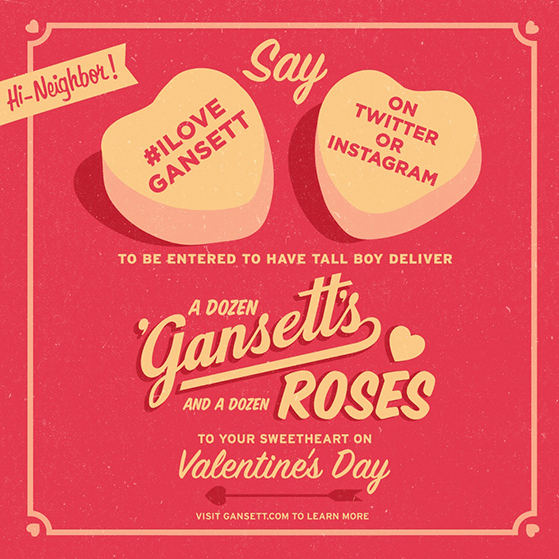
Example: Gansetts Beer ran a Valentine’s Day photo contest where fans shared what the holiday meant to them using the brand’s hashtag. The winner received roses to give to a loved one. You can see more Valentine’s giveaway ideas here.
2. Submit a Video Social Media Contest
Video contests are powerful for engagement and growth. They work well on YouTube, TikTok, and Instagram by encouraging fans to showcase creativity in short clips.
TikTok is now the primary platform for video contest entries. Using Duet or Stitch mechanics lets participants respond to your original video, which extends reach organically without a paid budget.
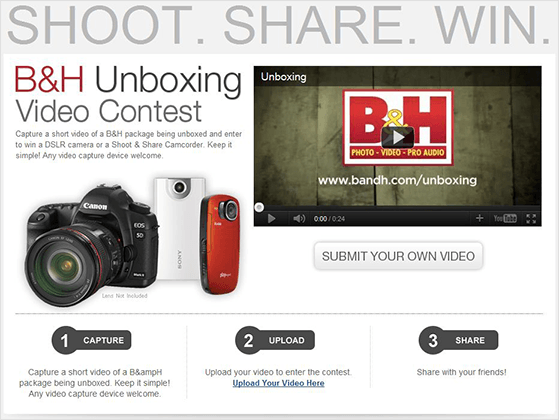
Running a video contest is also one of the best ways to get more likes on YouTube. For more ideas, see our list of video contest examples.
3. Write a Caption Contest
Caption contests are one of the easiest Instagram giveaway ideas. Post a funny or eye-catching image and ask followers to submit a caption. You can choose the best entry or pick a random winner.
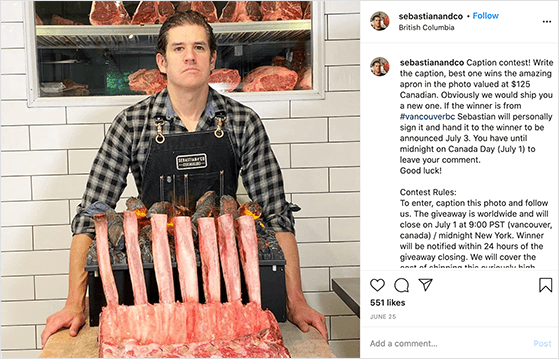
Example: Sebastian & Co asked users to follow their Instagram and add a caption to one of their photos for a chance to win. You can run the same type of giveaway to boost followers and engagement with minimal effort.
4. Submit an Essay Contest
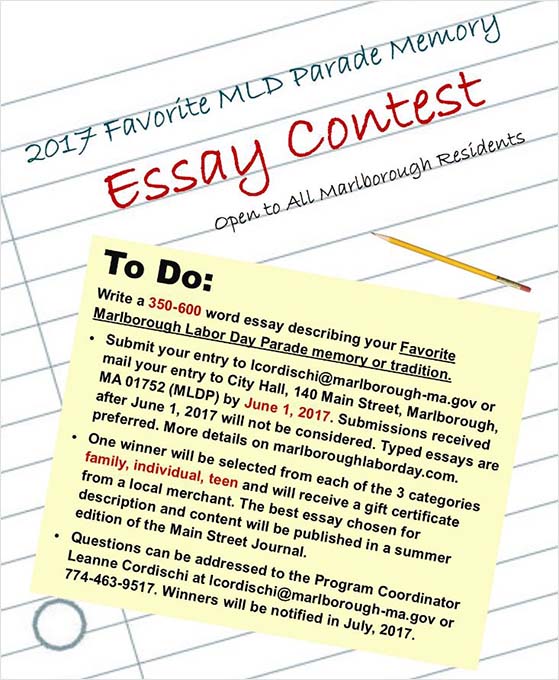
Essay contests are a great way to gather authentic stories and testimonials from your audience. They work best when tied to your brand or industry, and you can boost reach by letting users vote for their favorite entries.
5. Social Scavenger Hunt Contest
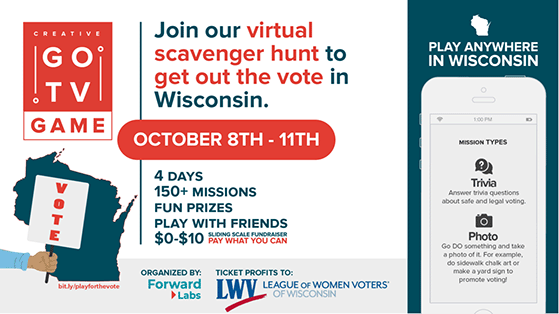
A scavenger hunt contest turns your content into a game. Hide clues across your social channels or website and ask participants to find them for a chance to win. It’s a fun way to spark curiosity while driving attention to your products.
6. Hashtag Challenge Contest
Hashtag challenges are a proven way to boost reach and encourage user-generated content. By creating a branded hashtag, you give fans an easy way to join in and share their own content, turning them into brand ambassadors (fans who organically promote your company).
On TikTok, brands now partner directly with creators through the native Creator Marketplace rather than managing outreach manually. This changed how hashtag challenges scale, since creator-amplified challenges consistently outperform brand-only posts.
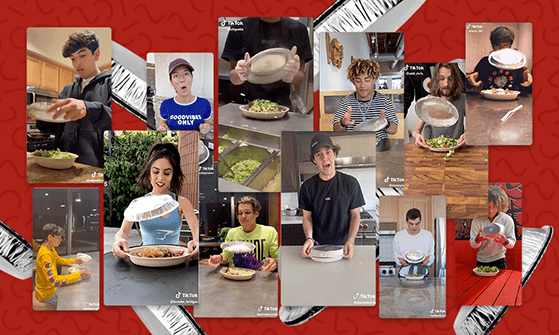
Example: Chipotle launched the #LidFlipChallenge for Cinco de Mayo, encouraging users to flip burrito bowl lids. In just 6 days, fans submitted 110,000 videos, generating over 104 million views (source: Shorty Awards) and record-breaking app downloads and digital sales.
7. Use a Filter Contest
A fun way to promote your brand is by creating a branded filter challenge. Filters make it easy for fans to share selfies or short clips that spread your brand to their friends and followers.
TikTok’s branded effects have added a new dimension to filter contests. A custom branded effect can be used in any TikTok video, extending your reach well beyond the people who saw your original post.
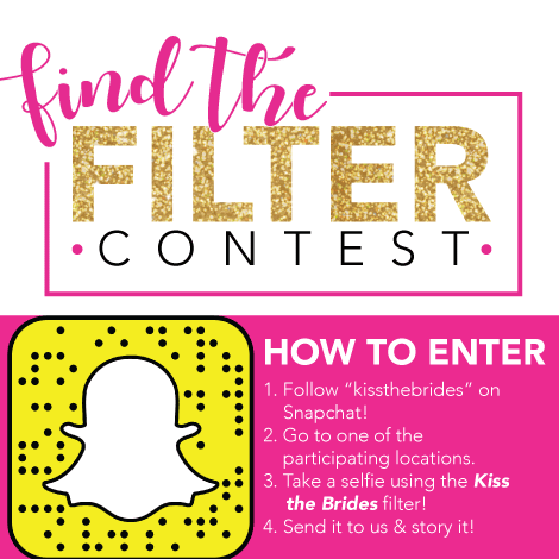
Example: The Kiss The Brides bridal show ran a Snapchat filter contest to give away event tickets. Participants followed the show, visited a partner location, and posted a selfie with the branded filter to enter, which is a perfect idea for event or trade show promotions.
8. Play to Win Contest
A play-to-win contest turns participation into a game. Ask users to complete quizzes, spins, or mini challenges to unlock entries. It’s an engaging way to generate leads while keeping your contest fun.
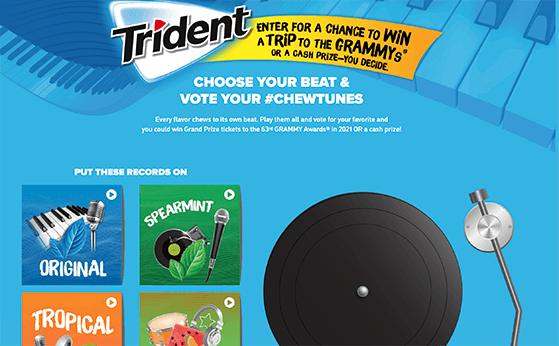
Example: Trident’s Chew Tunes contest asked users to play and vote on records for a chance to win a trip to the Grammys. Since participants entered with their email, the brand also grew its marketing list. If you don’t have budget for a custom game, try a simple trivia or spin-to-win format.
9. Pin It to Win It
Pinterest is a powerful driver of traffic and product discovery. A “Pin It to Win It” contest encourages followers to save your products or ideas to themed boards, giving you viral exposure while engaging fans with your brand.
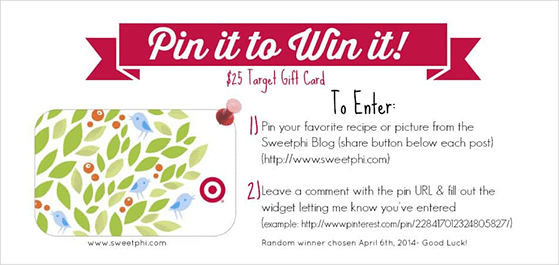
Learn more in our guide on how to run a Pinterest contest.
10. Sweepstakes
Sweepstakes are one of the simplest ways to generate leads and grow your email list. Since participation only requires basic details, they’re easy for anyone to enter and perfect for broad reach.
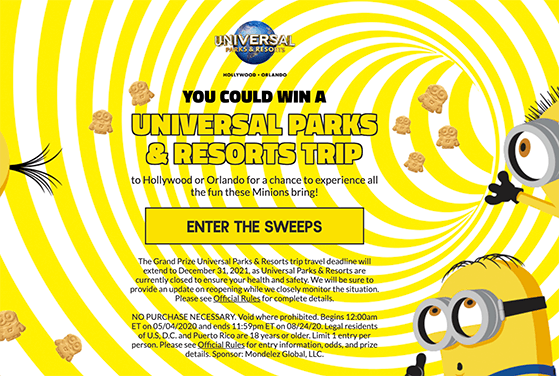
Example: Universal Studios offered a chance to win a trip to Hollywood or Orlando. Fans entered their details on a giveaway landing page, making the contest both fun and simple to join.
11. Refer a Friend to Win
Referral contests grow your reach by turning participants into promoters. Each entrant shares your giveaway with friends, multiplying visibility as new people join.
When WPForms ran a referral-style contest using this mechanic with RafflePress, their Facebook Group grew by over 11,000 members.
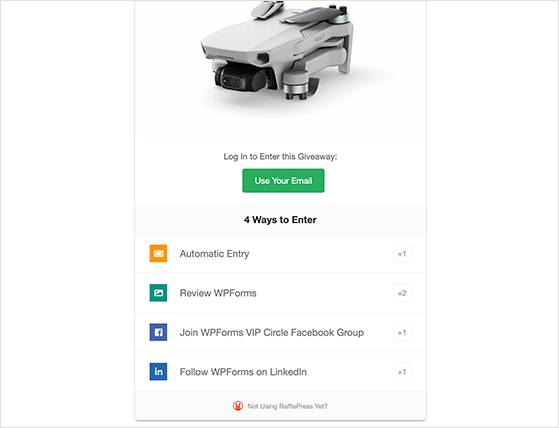
Example: A skincare brand could offer an extra entry for each friend tagged, and five extra entries if that friend also follows the brand’s account, creating a clear incentive for sharing. For more ideas, see our full list of refer-a-friend promotions.
12. Comment to Win
A comment-to-win contest is one of the fastest ways to boost engagement. Ask followers to leave a comment on your post for a chance to win, and you’ll see higher visibility and more interaction on your content.
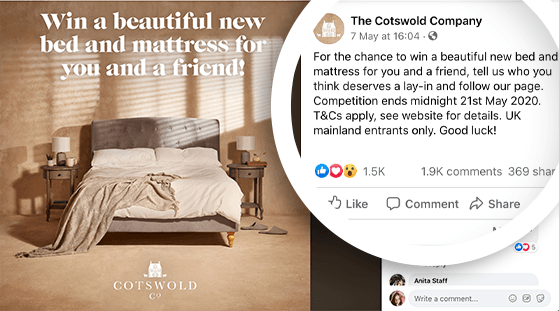
Example: Post a fun question, and let comments count as entries. You can also run the contest through your website using a Facebook contest ideas tool like RafflePress, then promote it across social media for maximum reach.
13. Vote to Win
A voting contest boosts reach by motivating participants to share your giveaway with friends and family to collect votes. It works especially well alongside submission-based contests like photos or designs.
Example: Drovers ran a photo contest and then asked followers to vote for the winner on Facebook, turning entries into a community-driven campaign.
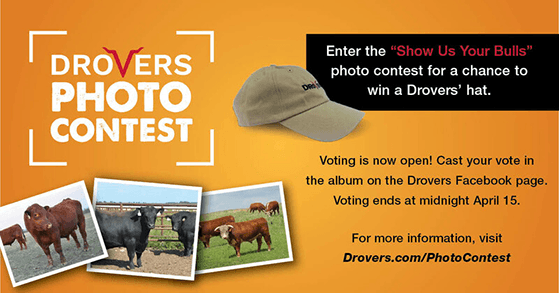
To manage entries, use the Surveys and Polls action in the RafflePress builder. It lets you track votes in real time and easily pick a winner.
14. Tag a Friend to Enter
A tag-a-friend contest drives organic reach by encouraging participants to mention friends in the comments. Each new tag spreads your giveaway to a wider circle, creating a ripple effect of visibility.
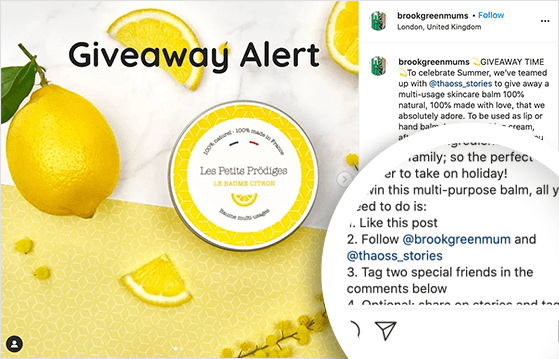
Example: Broke Green Mums partnered with a complementary brand and asked participants to tag 2 friends. They also added optional entries to follow both Instagram profiles, boosting followers while keeping the contest simple to join.
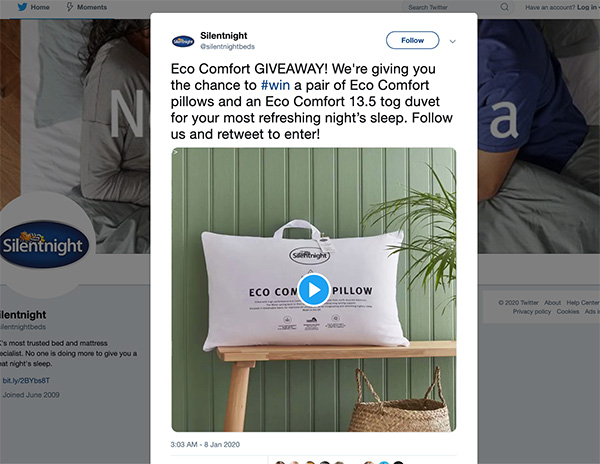
15. Follow to Win
A follow-to-win giveaway is one of the easiest ways to grow your audience. Participants simply follow your account to enter, and you can pair it with a like and share for extra engagement.
16. Regular Social Media Giveaways
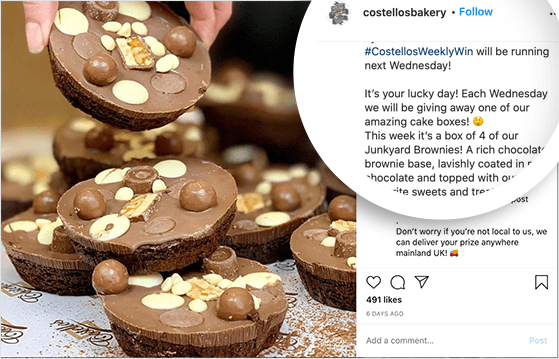
Running regular giveaways on social media builds consistency and keeps followers engaged over the long term. Even small recurring prizes encourage loyalty and boost brand visibility.
Example: Costello’s Bakery runs a weekly Instagram giveaway, offering a cupcake box every Wednesday. To enter, participants simply leave a comment and follow their profile.
17. Follower Milestone Giveaways
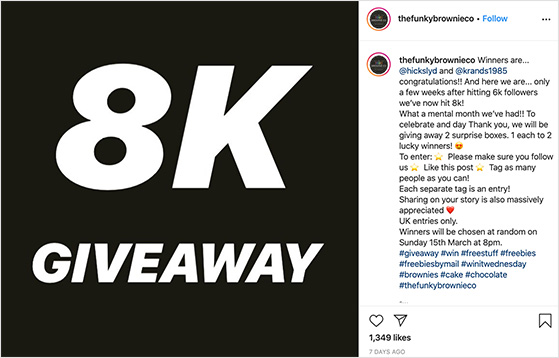
Reaching a follower milestone is the perfect chance to thank your audience with a giveaway. It shows appreciation and encourages even more people to join your community.
Free: Download Our Giveaway Playbook
Templates, prize ideas, and promotion strategies in one guide.
UGC Contest Ideas (With Real Brand Examples)
A UGC contest asks your audience to create the content for you, then rewards the best entries. UGC (user-generated content) is any photo, video, or post made by real customers rather than your marketing team.
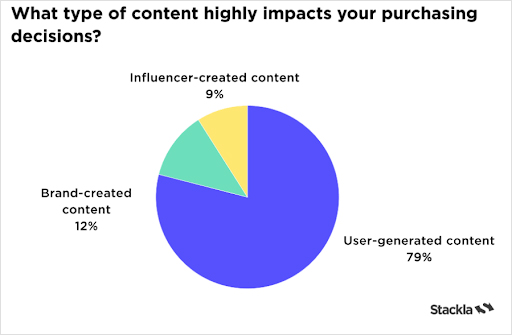
It works because people trust other people more than they trust brands. Around 93% of marketers say customers trust content from other customers over brand-made content, and about 80% of people say UGC influences what they buy.
Here’s how UGC compares to the other two ways brands get content made.
| User-Generated Content (UGC) | Influencer Content | Branded Content |
|---|---|---|
| Created by real customers or fans | Created by paid personalities | Created by your brand or team |
| Unpaid and authentic | Sponsored and often polished | Planned and fully controlled |
| Shared freely on social or in reviews | Shared on the influencer’s channels | Shared on official brand channels |
| Builds trust through real experiences | Builds visibility through reach | Builds awareness through branding |
The campaigns below are the ones I point to most often when I explain what a great UGC contest looks like. Each one has a single tactic you can copy.
| Campaign | Brand | Platform | Type | Key Result |
|---|---|---|---|---|
| #ShotoniPhone | Apple | Instagram, Billboards | Photo challenge | 31M+ Instagram posts |
| #EyesLipsFace | e.l.f. Cosmetics | TikTok | Hashtag challenge | 5.6B views, 3.5M videos |
| #RedCupContest | Starbucks | Photo contest | 302,000+ likes on one post | |
| #DoUsAFlavor | Lay’s | Twitter, Website | Product co-creation | $1M prize, months of engagement |
| Glossier UGC | Glossier | Community reposts | ~70% of sales from peer referrals | |
| #WanderlustContest | National Geographic | Photo contest | Yosemite expedition prize | |
| #AerieREAL | Aerie | Cause-driven UGC | 251,801 submissions, charity donation |
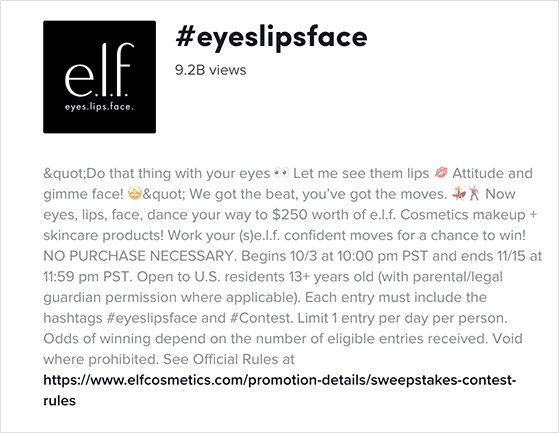
e.l.f. Cosmetics #EyesLipsFace
e.l.f. wrote an original song and launched a TikTok hashtag challenge around it. The hashtag pulled in about 3.5 million videos and 5.6 billion views, and the song even charted on Spotify.
On TikTok, the sound drives participation more than the visual prompt does. A catchy audio track gave people a starting point, so making a video felt easy instead of like work.
Steal this: On TikTok or Reels, give people trending or original audio to build around. The right sound removes the “what do I even post” barrier that stops most entries.
Starbucks #RedCupContest
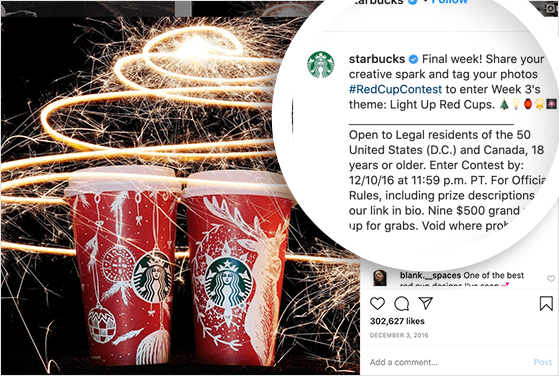
Starbucks asked fans to share creative photos of its holiday red cup for a chance to win, and one contest post pulled in over 302,000 likes. People already photograph their Starbucks drinks, so the contest just channeled a habit they had anyway.
Steal this: Look at what customers already share about you, then build the contest around that. A campaign that rides an existing habit beats one that asks for a brand-new one.
Lay’s #DoUsAFlavor
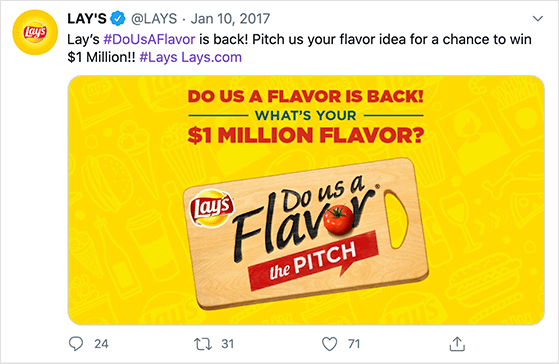
Lay’s asked people to invent a new chip flavor for a $1 million prize, then had customers vote on the finalists. The campaign ran for months because entrants stayed invested in seeing their own idea win.
Steal this: Bring your audience into a decision, not just content creation. Letting people submit and then vote turns casual entrants into advocates who promote their own entry.
Glossier’s Ongoing UGC Program
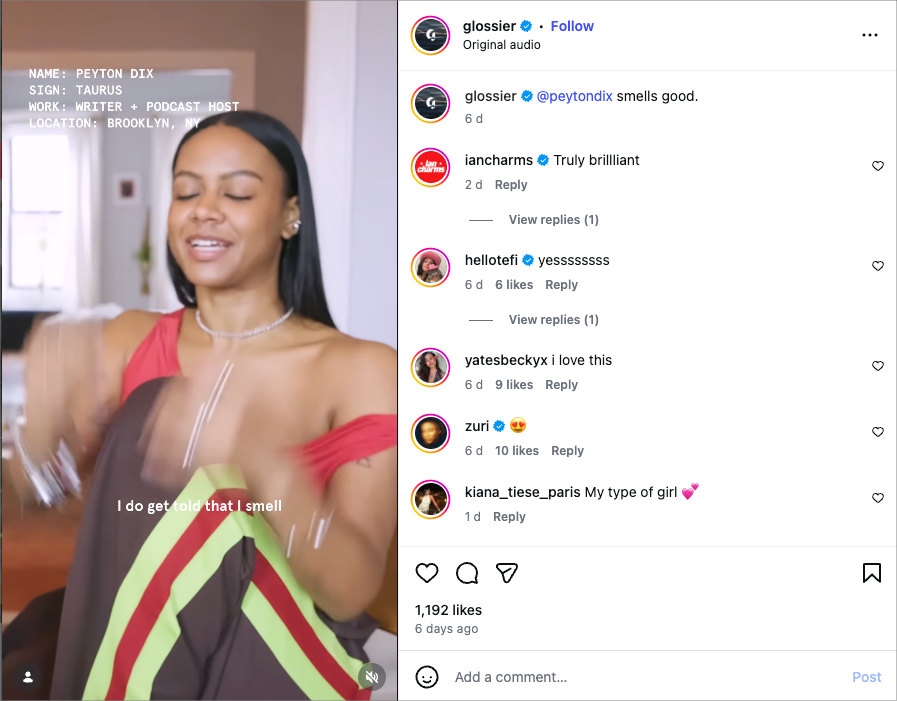
Glossier built its whole marketing engine on customer content, with around 70% of online sales coming from peer referrals rather than ads. Instead of a one-off contest, it constantly reshares customer posts from the #Glossier hashtag.
Steal this: You don’t need a formal contest to collect UGC. Reshare your best customer posts consistently, and people start creating content just for the chance to be featured.
National Geographic #WanderlustContest
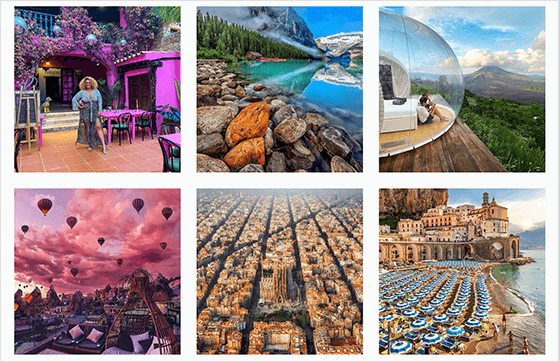
National Geographic ran a photo contest where the prize was a 7-day expedition to Yosemite. Because the prize spoke directly to nature photographers, nearly every entry was high quality and on-brand.
Steal this: Match the prize to your audience’s passion, not their wallet. An experience your ideal customer would love attracts better, more relevant entries than a generic cash prize.
Aerie #AerieREAL
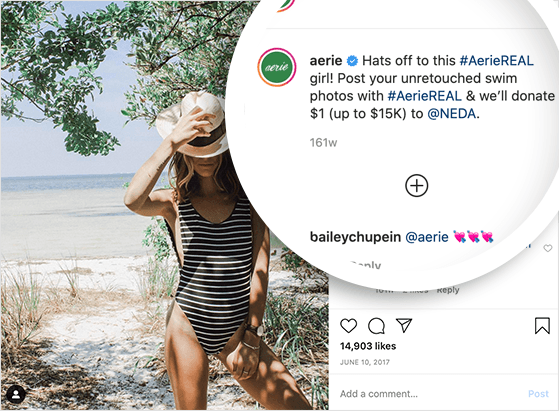
Aerie asked people to post unretouched swimsuit photos, and donated $1 to an eating-disorder charity for every one shared. The campaign collected 251,801 submissions and tied the brand to a cause its audience cared about.
Steal this: If your brand backs a cause, build the contest around it. “We’ll donate $1 for every photo shared” gives people a reason to join that goes beyond winning a prize. You can find more charity giveaway ideas here.
One rule matters across all of these: get permission before you reshare. People may use your hashtag without realizing you plan to repost their content on your own channels.
Ask first, then credit the creator by tagging them. It protects you on copyright and keeps your most loyal fans on your side.
Gamified & Instant-Win Contest Ideas
Gamified contests add small mechanics like spinning wheels and progress bars to make entering feel like play. You’re not building a full game, just adding a hook that makes people want to keep going.
The pull is psychological. That itch you feel when a progress bar sits at 80% is the Zeigarnik effect, where people fixate on tasks they haven’t finished.
| Psychology Hook | What It Means | Why It Works |
|---|---|---|
| Light mechanics, not full games | Small game-like touches added to a task | Entries feel effortless, not like playing a game |
| The Zeigarnik effect | Brains dislike unfinished tasks | Progress bars push people to complete entry |
| Status over cash | Badges, ranks, and winning moments | Leaderboards motivate without an expensive prize |
Instant-Win Games
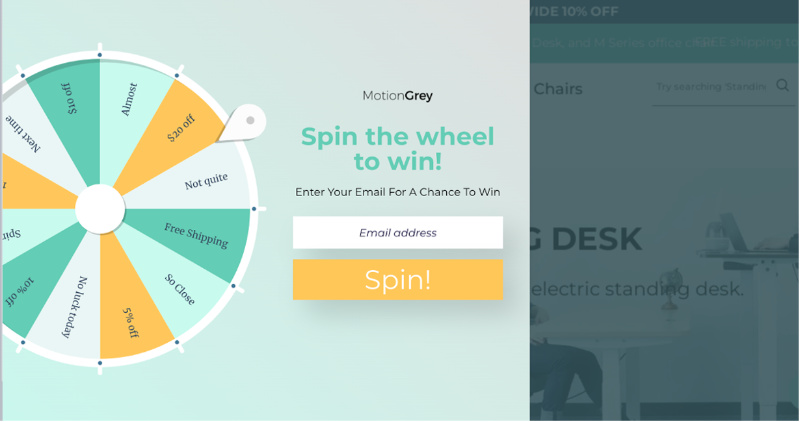
Spin-the-wheel and digital scratch-and-win contests work because of the reveal. The couple of seconds before the result lands create just enough suspense to make it fun, even for a small prize like a discount code.
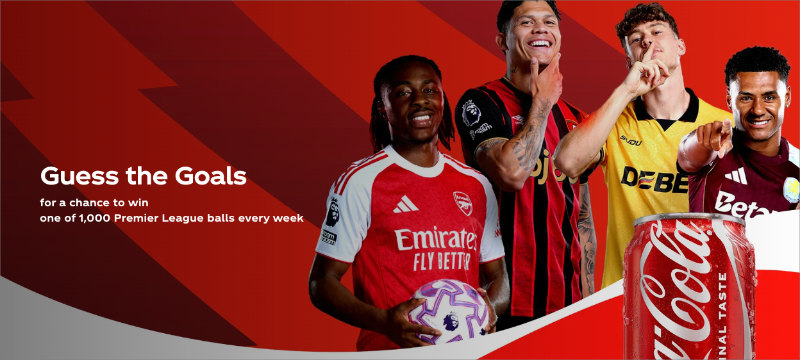
Guess-the-outcome contests use the same suspense, tied to a live event. Coca-Cola ran a Guess the Goals campaign around Premier League matches, with fans predicting results for weekly prizes.
Games That Drive Site Traffic
Hide clues or codes inside your blog posts and product pages, then ask people to find them to enter. An easter-egg hunt makes readers actually read the content, and on-page trivia (“how many templates are in our library?”) sends them looking for the answer.
This is the website version of the social scavenger hunt covered earlier. Under Armour’s Steph IQ basketball trivia game is a good example of how far this can go, keeping fans playing round after round.
Games That Go Viral
A referral leaderboard shows a live ranking of who has referred the most people, so top entrants keep sharing to hold their spot. It’s the most reliable way I know to turn one entrant into ten.
You can build this in RafflePress by pairing its refer-a-friend action with the free AffiliateWP Leaderboard addon. Entrants get a unique share link, and the leaderboard updates in real time.
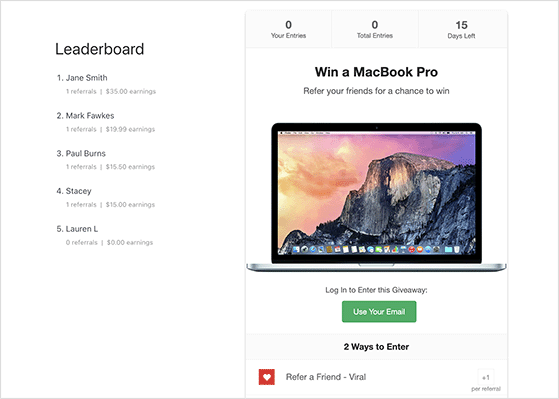
A few gamification mistakes come up again and again. Keep an eye out for these before you launch.
- Rules too complex: If entering needs a manual, you’ve lost most people. You should be able to explain it in one sentence.
- Rewards that feel token: A $5 gift card for 20 minutes of effort won’t move anyone. Match the prize to the effort you’re asking for.
- Leaderboards that shame the bottom: Nobody sitting at 487th place keeps playing. Show the top 10 only.
- Letting novelty wear off: The same spin-the-wheel every month stops working. Refresh the mechanic or take a break between campaigns.
Simple & Seasonal Contest Ideas
Not every contest needs a big build. The formats below take under 20 minutes to set up and still get real entries.
Two rules keep a simple contest working. Keep entry to two steps at most, because each extra step loses roughly 20 to 30% of participants, and run it for 3 to 7 days so the deadline creates urgency.
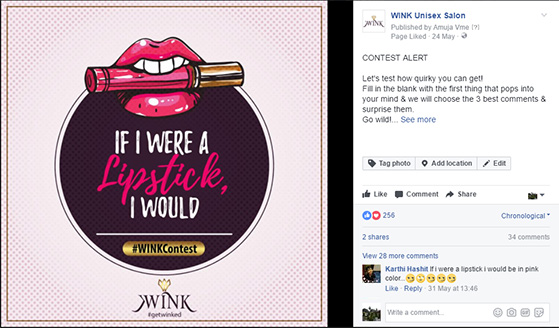
Fill-in-the-Blank
Post a sentence with a missing word and ask followers to complete it in the comments. It taps the same urge to finish a pattern, and it needs no tools beyond the post itself.
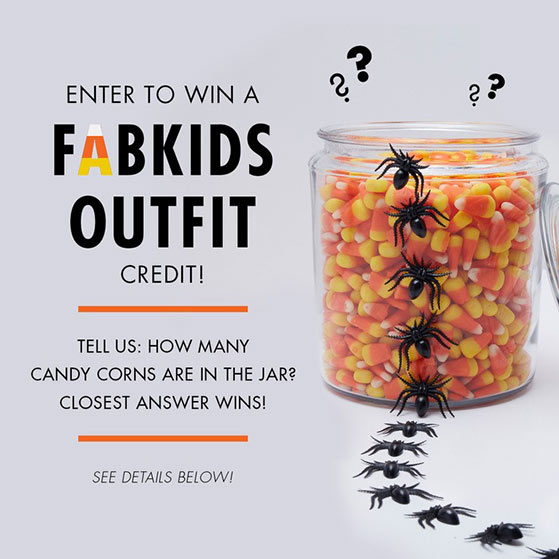
Guessing Game
Ask people to guess a number, item, or answer, such as how many sweets are in a jar. The wait for the reveal builds anticipation, and the closest correct guess wins.
Trivia Contest
Ask a question about your niche or products, and anyone who answers correctly is entered to win. Players feel rewarded for what they know, which builds a warmer association with your brand.
Run it as a weekly “Trivia Tuesday” and the same people come back every week. That turns a one-off contest into an ongoing engagement habit.
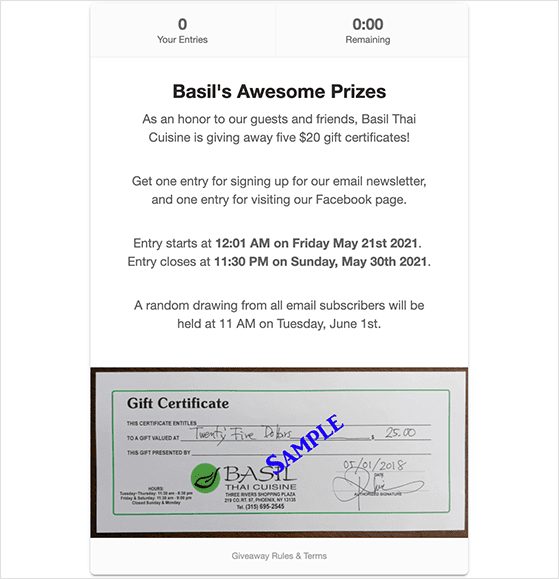
Small prizes are enough when the entry friction is low. One campaign offering five $20 gift certificates for Basil Thai Cuisine grew the restaurant’s email list by 52%.
Seasonal Contest Ideas
Seasonal windows give people a built-in reason to join. Summer is one of the strongest, when people are out at events and posting more than usual, and a well-run contest can drive up to 34% list growth in a single campaign.
The format still comes down to your goal. Use this to match the two up before you launch a seasonal campaign.
| Goal | Best Contest Type |
|---|---|
| Email list growth | Hashtag contest with a newsletter entry action |
| Instagram followers | Selfie or photo contest |
| Brand awareness (UGC) | Video contest |
| Broad reach, low effort | Sweepstakes |
| Creative engagement | Caption or recipe contest |
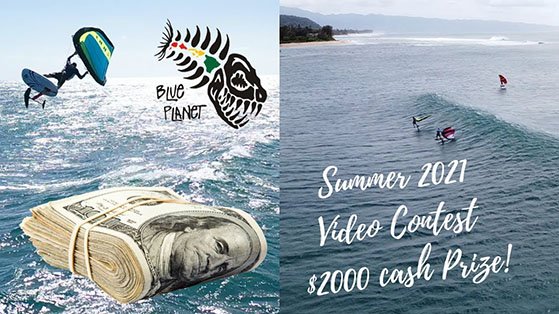
Blue Planet Surf ran a summer video contest with a $2,000 prize, asking people to upload a clip of their season.
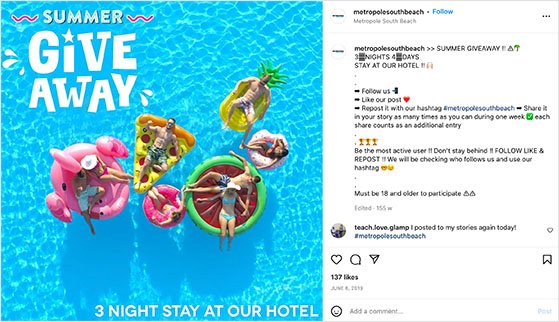
Metropole South Beach gave away a 4-day hotel stay for following, liking, and posting with the #metropolesouthbeach hashtag, which is a clean example of a low-friction seasonal giveaway.
How to Choose a Prize for Your Social Media Contest
The prize is the first thing people see, and the wrong one will attract the wrong audience.
- Match the prize to your audience: A pet store giving away an iPad attracts iPad seekers, not pet buyers. The prize should signal who you want in your community.
- Relevance beats cost: A free product sample or a one-month subscription often outperforms a generic electronics prize. The more specific the prize, the more specific the entrants.
- Small business options: Free service access, digital gift cards, or your own product bundle work well when you don’t have a large prize budget. Your own product also serves as a demonstration of value.
Do Social Media Contests Have Legal Rules?
Yes, and the rules vary by platform and country.
Here are the key ones to know before you run an online giveaway:
- The lottery test: A promotion with all three elements (payment + chance + prize) is considered an illegal lottery in most countries. Remove the payment requirement to stay legal. Free entry to enter is the standard fix.
- FTC disclosure: If you’re partnering with influencers or offering compensation for entries, the FTC requires clear disclosure. “Sponsored” or “#ad” labels are required on promotional posts in the US.
- Platform rules: Each platform has its own contest guidelines. Facebook’s promotion policies, TikTok’s community guidelines, and Instagram’s promotion rules all have specific requirements around tagging, sharing, and prize disclosure.
- Void where prohibited: Some US states have stricter rules around sweepstakes. Include “void where prohibited by law” in your contest rules to cover yourself.
- Official rules page: Always link to a dedicated contest rules page. This protects you legally and builds trust with entrants. RafflePress includes a rules template you can customize for each campaign.
How to Do a Contest on Social Media?
RafflePress is a WordPress giveaway plugin that lets you run viral contests to grow your email list, social following, and traffic, entirely from your WordPress dashboard.
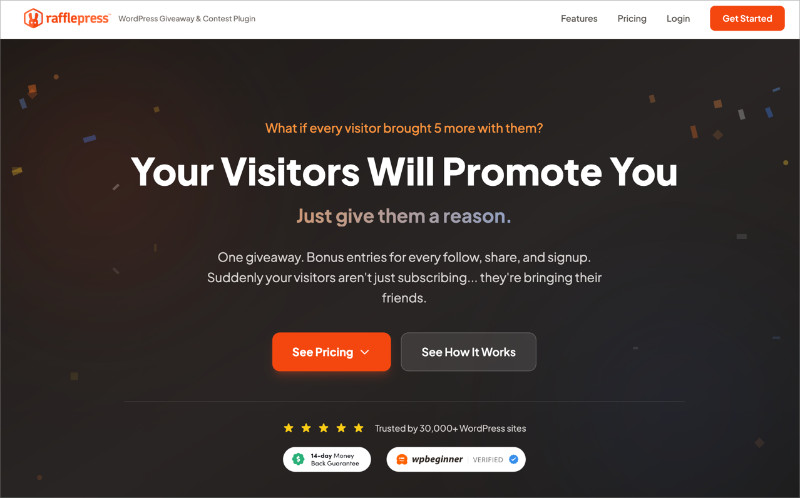
It supports photo entries, referral tracking, social follows, votes, and custom actions. You can build a dedicated giveaway landing page from the same dashboard, then share it across every channel. Over 30,000 WordPress sites run their contests with RafflePress.
You can learn how to create a social media contest with RafflePress here. Or head straight to RafflePress to get started.
How to Choose the Right Platform for Your Contest
The platform should match the contest type.
- Instagram and TikTok are the strongest choices for visual UGC contests like photo challenges or hashtag campaigns.
- Facebook works best for community engagement and comment-to-win formats.
- LinkedIn suits professional or B2B contests.
- Pinterest is the natural home for product discovery and pin-to-win campaigns.
How to Pick a Winner Fairly
Transparency here matters more than most brands realize. Announce your selection method before the contest closes.
- Random giveaways: RafflePress has a built-in random winner picker that pulls from verified entries only. For small contests, Random.org works as an independent verifier.
- Creative contests: Use a panel of judges and publish the scoring criteria upfront so entrants know how winners are chosen.
- Public announcement: Post the winner publicly and tag them. It validates the result for everyone who entered and builds trust for your next campaign.
How to Get More Entries
Promotion drives entries. Most brands announce once at launch and wonder why momentum stalls.
- Email your list: Your existing subscribers are your most likely entrants. Send an announcement on day one and a reminder two days before close.
- Use a giveaway landing page: A dedicated URL gets more entries than a social post alone. RafflePress generates one automatically with your campaign.
- Partner with a complementary brand: A co-branded prize doubles the reach with no extra ad spend.
- Promote at least 3 times: Once at launch, once mid-campaign, once 24 hours before close. Late entrants are real and consistent across almost every campaign I’ve tracked.
What to Measure After Your Contest
Tracking results is how you improve the next campaign. The RafflePress dashboard shows entry counts in real time, which makes mid-contest adjustments easier.
- Follower retention rate: Did new followers stay after the contest ended? This tells you whether your prize attracted the right audience.
- Email list growth: How many net new subscribers did the contest generate?
- Engagement rate vs. baseline: Compare likes, comments, and shares during the contest to your typical post performance.
- Landing page traffic: If you used a giveaway landing page, track sessions and entry conversion rate separately from social metrics.
Frequently Asked Questions About Social Media Contests
How do I pick a winner for a social media contest?
For giveaways based on chance, use RafflePress’s built-in winner picker, which selects randomly from verified entries only. For small contests, Random.org is a free independent option. For creative contests like photo or caption entries, use a panel of judges with published scoring criteria. Announce the selection method before the contest closes so entrants know what to expect.
What are the legal rules for running a social media contest?
The main rule is avoiding the illegal lottery test: if your contest requires payment, involves chance, and offers a prize, it may be considered an illegal lottery in many countries. Remove the payment requirement to stay compliant. Each platform also has its own promotion policies, and US sweepstakes must include official rules and a “void where prohibited” statement. See the full details in the legal section above.
How do I promote a social media contest to get more entries?
Email your list on launch day and again two days before the contest closes. Use a dedicated giveaway landing page rather than just a social post, since a focused URL gets more entries. Promote at least three times: launch, mid-campaign, and 24 hours before close. Partnering with a complementary brand for a co-branded prize can double your reach without additional ad spend.
What kind of prizes work best for social media giveaways?
Prizes that are directly relevant to your audience consistently outperform generic electronics or cash. A pet brand giving away an iPad attracts iPad seekers, not pet buyers. Your own product, a free service month, or a curated bundle aligned with your niche attracts people who actually want what you sell. That leads to better retention after the contest ends.
How long should a social media contest run?
One to two weeks is the sweet spot for most social media contests. A one-week contest creates urgency and keeps momentum high. Two weeks gives more people time to discover and enter. Longer than two weeks and momentum usually drops, because people assume they have plenty of time and never get around to entering.
What is a UGC contest?
A UGC (user-generated content) contest asks your audience to create the content, then rewards the best entries. That usually means photos, videos, or posts made by real customers rather than your brand. It works because people trust content from other customers more than ads, so the entries double as social proof you can reuse across your marketing.
Are instant-win and spin-the-wheel contests legal?
Yes, as long as you don’t require payment to enter. The rule to avoid is the illegal lottery test: payment plus chance plus prize. Keep entry free and instant-win games like spin-the-wheel or scratch-and-win are fine in most countries. Always link to an official rules page, and check your local sweepstakes rules for high-value prizes.
What prizes work best for a summer or seasonal giveaway?
Prizes tied to the season and your audience work best. For summer, think experiences or outdoor gear rather than generic electronics, so the people entering are the ones who actually want what you sell. A relevant mid-value prize usually beats an expensive but off-topic one, because it attracts followers who stay after the contest ends.
You don’t need to build any of this from scratch. Pick the contest type that fits your goal, and you can have it live on your WordPress site today with RafflePress.
If you liked this article, please subscribe to our YouTube Channel for RafflePress video tutorials. You can also find us on Twitter and Facebook.


