11 Gamification Contest Ideas to Drive Giveaway Growth
 Stacey Corrin
Stacey Corrin
Stacey Corrin
 John Turner
John Turner
John Turner
Gamification contests use simple mechanics like instant wins and progress bars to turn passive visitors into active participants.
I’ve run giveaways where people entered once and never came back. The prize was fine, but the entry process felt like a chore.
That’s when gamification works. You’re not creating a full game. You’re adding small psychological hooks like progress bars or spinning wheels that make people want to keep going.
In this guide, I’ll break down 11 gamification contest ideas by the business goal they solve best: getting leads, driving traffic, or growing your social following.
Why “Forced Fun” Fails (and What Actually Works)
If a contest feels like work, users will skip it. So, for gamification to really work, it needs to feel effortless.
I’ve seen people abandon contests halfway through because the steps felt overwhelming. They wanted the prize, but the effort wasn’t worth it.
Good gamification taps into something we all experience: the itch to finish what we started. You know that feeling when you see a progress bar at 80%? Your brain won’t let you walk away. That’s the Zeigarnik effect, where people remember uncompleted tasks better than completed ones.
Here’s what actually drives people to complete entries:
| Psychology Hack | Translation | Why It Works |
|---|---|---|
| Gamification vs game-based learning | Light mechanics added to tasks | Entries feel effortless, not like playing a game |
| The Zeigarnik Effect | Brains hate unfinished tasks | Progress bars boost completion rates |
| Intrinsic vs extrinsic rewards | Status and winning moments | Badges and leaderboards work without expensive prizes |
Research shows that gamification can increase intrinsic motivation when implemented properly, and elements like status badges can be just as motivating as cash rewards. A “Top Referrer” badge gives people social proof and bragging rights.
The trick is keeping it simple. If someone needs to read a tutorial before entering, they’ll bounce.
Now let’s look at specific contest ideas that use these principles. I’ve organized them by business goal so you can pick the mechanic that matches what you’re trying to accomplish.
Instant Win Contests (Best for Getting New Leads)
Instant gratification removes the friction of waiting for a winner, boosting opt-in rates.
When you ask someone to enter a contest and wait two weeks for results, you’re asking them to care about something in the future. Most people won’t. But when they can find out if they won right now? That changes everything.
1. Spin-the-Wheel Giveaways
The wheel visual works because it’s familiar and exciting. Everyone’s seen a prize wheel at a carnival or game show. You spin it, you wait a second, you see where it lands.
What makes this effective is the anticipation. Those few seconds while the wheel slows down create just enough suspense to make the reveal feel rewarding, even if someone doesn’t win the grand prize. You can still give them a discount code or bonus entry.
For example, MotionGrey, a Canadian furniture brand, uses a spin-to-win popup offering discounts of 5%, 10%, 20%, $20 off, and free shipping. Visitors enter their email, spin the wheel, and instantly see what they won.
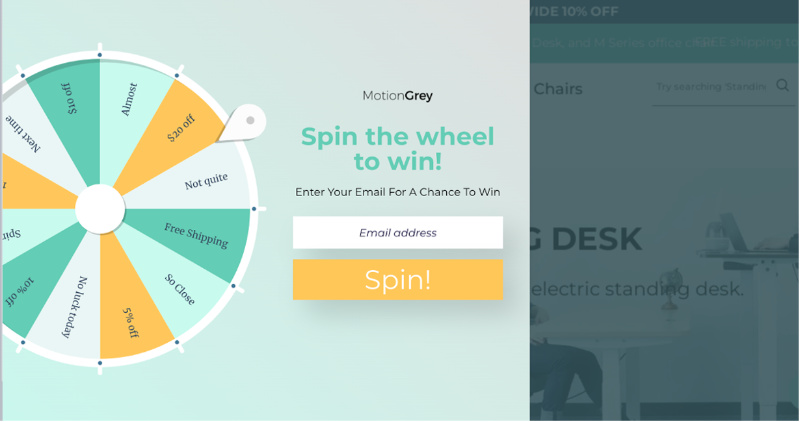
Even landing on 5% instead of free shipping still feels like a win because they got something immediately.
2. Digital Scratch & Win Cards
Scratch cards tap into the same mechanic as lottery tickets. The suspense of revealing what’s underneath keeps people engaged through the entire action.
I’ve seen scratch cards work particularly well for email list building because the reveal happens after someone enters their email. They’re already invested in finding out what they won.
3. Guess the Score or Outcome
This works best when you’re tied to a live event or seasonal campaign. You ask people to predict a result, then reveal the outcome later.
A real example is Coca-Cola’s Guess the Goals campaign in the UK. Fans predicted how many goals would be scored in Premier League matches, then had to come back after the games to see if they’d won weekly prizes.
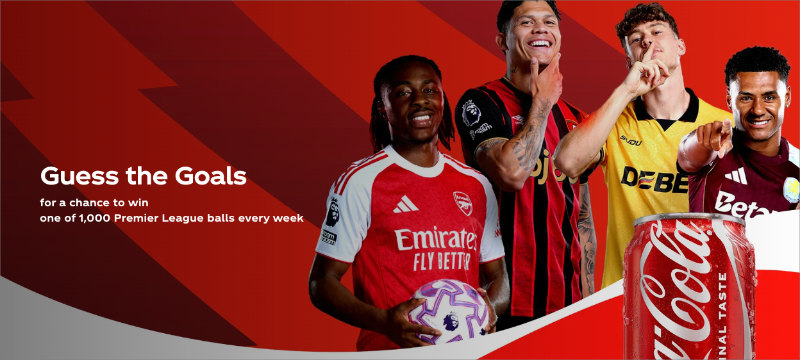
The key here is repeat visits. People return to check results or confirmations, which gives you multiple touchpoints instead of a single entry.
Instant-win contests get people in the door. Now let’s look at how to keep them clicking around once they’re there.
Free: Download Our Giveaway Playbook
Templates, prize ideas, and promotion strategies in one guide.
Traffic-Driving Contests (Best for Website Engagement)
These contests reward users for exploring your content, lowering bounce rates and increasing page views.
Most contests ask people to visit one page, enter, and leave. Traffic-driving contests flip that by giving people a reason to click through your site. They’re hunting for something, which means they’re actually reading your pages instead of skimming.
4. Website Scavenger Hunts
Hide icons, codes, or clues across your high-value pages like pricing, features, or product pages. Tell people they need to find all five hidden codes to enter the giveaway.
Wayfair ran a Pinterest scavenger hunt where participants had to find and pin 10 specific items from their catalog. People visited multiple product pages to complete the hunt, which led to a 37% increase in Pinterest followers and a 107% jump in conversion rates from Pinterest traffic.
This forces engagement with pages people usually skip. I’ve watched analytics during scavenger hunts and seen time-on-page jump because people are actually reading to find the hidden element.
The trick is placing codes on pages you want people to see, not just random blog posts.
5. Easter Egg Challenges
This is similar to scavenger hunts but works better for blog content. Hide clues inside articles so people have to actually read the post to find the answer.
Long Winter Soap Co. hides 20 discount code text links throughout their website. The codes range from single-product discounts to significant site-wide savings, and customers have to explore different pages to find them all.
This works especially well if you’re trying to surface older content that’s still valuable but buried in your archives. You could ask “What’s the third tip in our SEO guide?” and people have to open the article and read through to find it.
The trick is making sure the hunt is fun, not frustrating. Give hints on social media or in emails to keep people engaged.
6. On-Page Trivia and Quizzes
Ask specific questions where the answer can only be found on the page. “How many templates does our library include?” or “What year was this feature launched?”
Under Armour ran the Steph IQ game, a real-time trivia contest during Steph Curry’s playoff performances. Fans answered rapid-fire questions about Curry and the NBA for prizes like Curry5 sneakers and playoff tickets. Users stayed engaged for an average of 40 minutes.
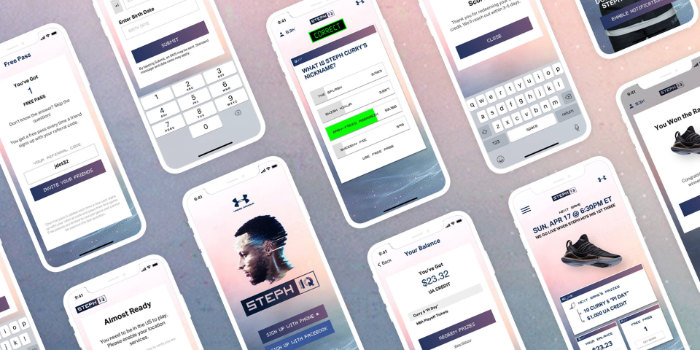
The goal isn’t to trick people. It’s to make them engage with the content enough to find the answer. If they’re scanning your product page to answer a quiz question, they’re learning about your product.
Viral Loop Contests (Best for Social Growth)
The best contests use viral loops to turn one single entrant into three or more new participants.
Standard contests end when someone enters. Viral contests are just getting started. The entry is only the beginning. The real growth happens when that person shares the contest because you’ve given them a reason to.
7. Photo or Vote Battles (UGC)
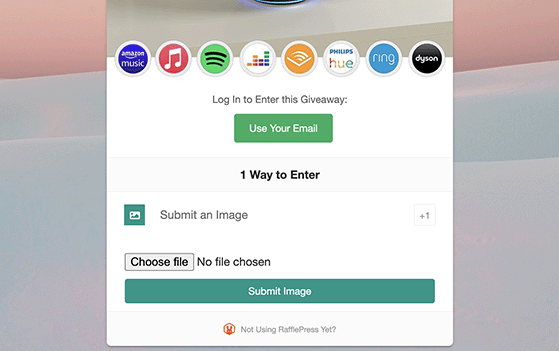
Users submit photos and they have to get friends to vote for them. This is built-in distribution because contestants promote themselves.
A pet photo contest works this way. People submit their dog’s photo, then they share it everywhere asking for votes. You’re not promoting the contest anymore. They are.
The downside is quality control. You’ll get spammy entries, so plan for moderation.
If you run a WordPress site, RafflePress is a WordPress giveaway plugin that lets you create photo contests with a drag-and-drop builder.
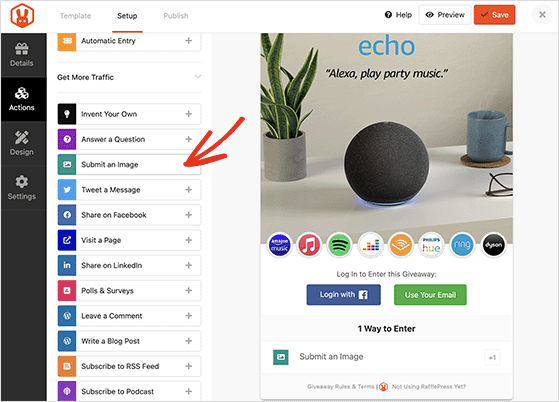
Users can submit their photos directly through the contest form, and you can review entries before they go live.
8. Referral Leaderboards
Show a live leaderboard of who’s referring the most people. Top referrers win prizes, and everyone else sees they’re falling behind.
You can combine RafflePress with AffiliateWP’s free Leaderboard Addon to create this. Set up a referral contest in RafflePress, then add AffiliateWP’s leaderboard shortcode to the same page. Anyone visiting your giveaway page will see a table of your top affiliates.
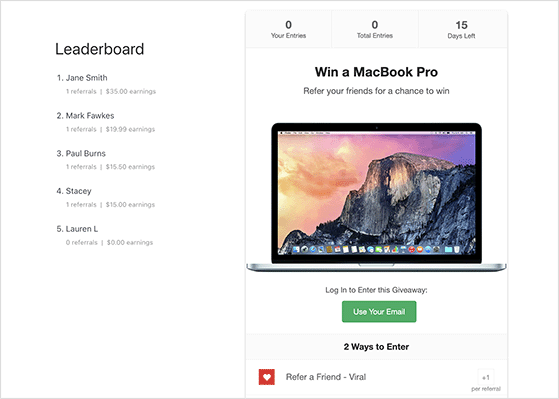
It’s a visual prompt that keeps affiliates competing to get the top referrals and that prize. The FOMO effect is real — nobody wants to see their name at the bottom of the list when there’s a prize at stake.
In return, you get more website traffic, brand awareness, and potential customers from all that competitive energy.
For a full walkthrough, see our guide on running an affiliate contest.
9. Hashtag or Social Challenges
Ask people to post on social media with a specific hashtag to enter. This pushes your reach past your website.
But here’s the warning: hashtag contests are hard to track and verify. You need a way to monitor submissions, and you’ll definitely get people who don’t follow the rules.
RafflePress also automates the viral mechanics that make referral contests work. You can add a “Refer a Friend” action to your WordPress giveaway, and RafflePress gives each entrant a unique referral link.
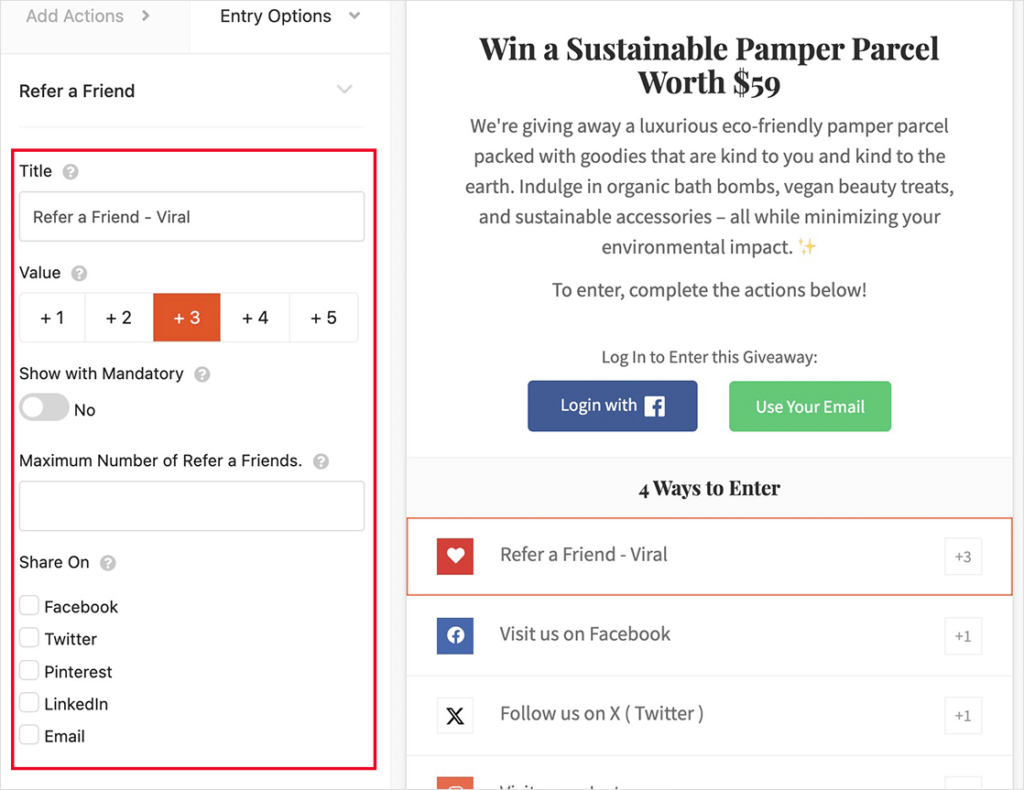
When their friends enter using that link, the original entrant gets bonus entries. The contest spreads itself because every participant has an incentive to share.
You can learn more referral marketing strategies that use this viral loop approach.
Event and Community Contests (Best for Engagement)
Light, optional games keep energy high at events without forcing awkward participation.
I’ve sat through events where organizers made everyone play icebreaker games. It’s painful when participation is mandatory. The best event gamification is passive. People can join in if they want, but they’re not singled out if they don’t.
10. Conference or Webinar Bingo
Create bingo cards with common phrases or actions you know will happen during the event. “Speaker says ‘synergy,’” “Someone asks about pricing,” “Technical difficulties,” or “Speaker drinks water.”
A famous example happened at MIT’s 1996 graduation when students distributed buzzword bingo cards for Vice President Al Gore’s speech. Gore, known for using technology buzzwords, was informed of the prank and acknowledged it during his speech.
This works because it’s passive play. You’re not asking people to stand up or introduce themselves. They’re just marking off squares while they listen. It keeps them engaged without making them uncomfortable.
You can run this virtually or in-person. For virtual events, share a digital bingo card in the chat. For in-person events, hand out printed cards at registration.
11. Live Poll Smackdowns
Use real-time polling during presentations to get instant audience feedback. Ask questions like “Which feature should we build next?” or “What’s your biggest challenge right now?”
JNF Tech Shuk in Toronto used live polling for their “Lion’s Den” competition where Canadian and Israeli tech startups competed in a Shark Tank-style event. The audience voted in real-time to help determine winners.
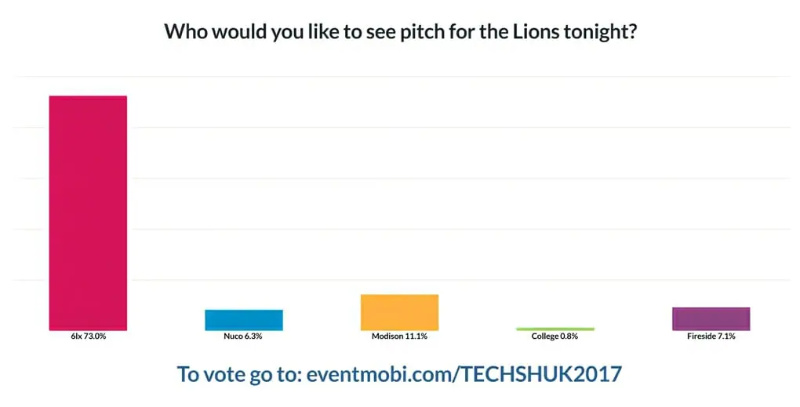
People love seeing the results update live. It turns a one-way presentation into a conversation, and it keeps attendees paying attention because they want to see how others voted.
The trick is making the questions actually matter. Don’t ask “Do you like free stuff?” Ask questions that give you useful data and give attendees a voice in the discussion.
Common Gamification Mistakes to Avoid
Adding too many mechanics often backfires. Simplicity usually wins.
The biggest mistake I see is overcomplicating things. You add points, badges, levels, and bonus multipliers thinking it’ll make the contest more engaging. Instead, people take one look at the rules and leave.
- Overly complex rules. If I have to read a manual, I’m out. Your contest should be explainable in one sentence. The moment you need a FAQ just to explain how to enter, you’ve lost most people.
- Rewards that feel meaningless. A $5 gift card for 20 minutes of effort isn’t motivating. The reward needs to match the effort. Make sure your contest prize ideas actually excite your audience.
- Leaderboards that discourage the bottom 80%. If someone’s sitting at position 487 out of 500, they’re done. Highlight the top 10 only. Don’t rub failure in everyone’s face.
- Letting the novelty wear off. Run the same spin-the-wheel contest every month and people stop caring. Refresh your mechanics or take breaks between campaigns so it feels special.
FAQs About Gamification Contest Ideas
What’s the difference between gamification and game-based learning?
Gamification adds light game mechanics like points, progress bars, or badges to regular tasks such as filling out forms or entering contests. Game-based learning uses complete games designed specifically to teach skills or knowledge. The key difference is that gamification enhances existing activities, while game-based learning creates new educational games from scratch.
How long should a gamification contest run?
Most gamification contests should run for one to two weeks. Short contests maintain urgency and excitement. Contests that run longer than two weeks often see declining participation as the novelty wears off and people lose interest.
What are good low-budget gamification contest ideas?
Low-budget gamification contest ideas include website scavenger hunts with hidden codes, conference bingo cards, manual trivia questions, and Easter egg challenges in blog posts. These require no software or expensive tools. You can run them using simple text codes or printable cards.
Can gamification contests backfire?
Yes, gamification contests can backfire when rules are too complex, rewards feel meaningless, or leaderboards create negative competition. Contests also fail when the game mechanics distract from your brand message or when participation feels mandatory rather than optional.
What type of giveaway works best with gamification?
Instant-win contests and referral-based contests work best with gamification. Instant-win mechanics like spin-to-win wheels and scratch cards provide immediate gratification that boosts participation. Referral contests with viral sharing mechanics turn each participant into a promoter, creating exponential growth.
The best gamification contests solve one specific problem with one clear mechanic. Instant-win formats get emails fast. Traffic-driving hunts increase page views. Viral loops grow your social reach.
Pick the goal that matters most right now, choose the contest type that maps to it, and keep the entry process simple enough to explain in one sentence.
If you’re building this on WordPress, RafflePress handles the mechanics so you can focus on the strategy instead of the setup.
Next, check out these guides to level up your giveaway strategy:
- How to Create a Giveaway Calendar
- Editable Giveaway Templates
- How to Create Giveaway Goals
- Contest Metrics that Matter
If you liked this article, please subscribe to our YouTube Channel for RafflePress video tutorials. You can also find us on Twitter and Facebook.

