Giveaway Statistics: What Real Campaigns Reveal in 2026
 Stacey Corrin
Stacey Corrin
Stacey Corrin
 John Turner
John Turner
John Turner
TL;DR: Giveaway Statistics
Giveaway statistics are only worth much when there’s a real campaign behind them, so these all come from giveaways run with RafflePress, not survey guesses.
- 6,507 subscribers in 25 days – one giveaway grew an email list that fast, at under $1 per subscriber.
- 54,623 entries – Smash Balloon’s single giveaway pulled that many entries in under four weeks.
- Refer-a-friend does the heavy lifting – one campaign turned 22,000+ referrals into 6,507 new subscribers.
- 3X is a recurring outcome – two separate campaigns tripled email list growth and sales.
- Big prizes pull the biggest numbers – the highest-entry giveaways all offered a MacBook.
- One to two weeks is the sweet spot – long enough to build momentum, and entries drift once you run past a month.
You’re weighing up whether a giveaway is actually worth the effort, and the “statistics” you find don’t help much. Most of them are vague industry averages with no real campaign behind them, and none of that tells you what to expect when you’re the one picking a prize and setting an end date.
So I went looking for numbers with an actual campaign attached. Everything below comes from a real giveaway run with RafflePress, with the brand, the prize, and the result on the record.
One honest caveat before we start: this is a handful of real campaigns, not a survey of every giveaway ever run. They show what’s possible when the prize and the promotion line up, which is the situation you’re planning for anyway.
Giveaway Statistics, Campaign by Campaign
I’ve written about giveaways for years, and the numbers that stick with me are never the averages. They’re the specific campaigns where you can see exactly what the prize and the sharing did.
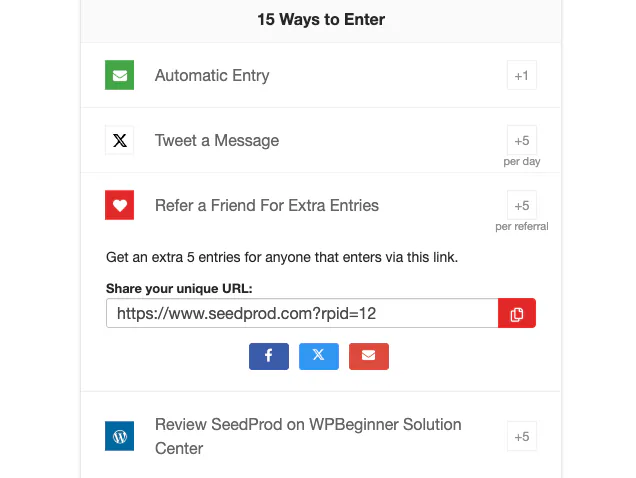
The one I come back to most added 6,507 email subscribers in 25 days, at under $1 each. The prize was a MacBook Air, and almost all of that growth traced back to one thing: more than 22,000 referrals from people sharing it with their friends.
The bigger the audience, the bigger the raw totals, which you’d expect.
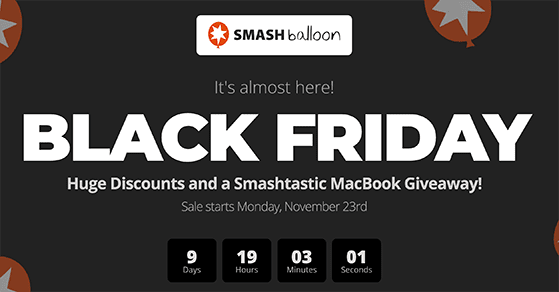
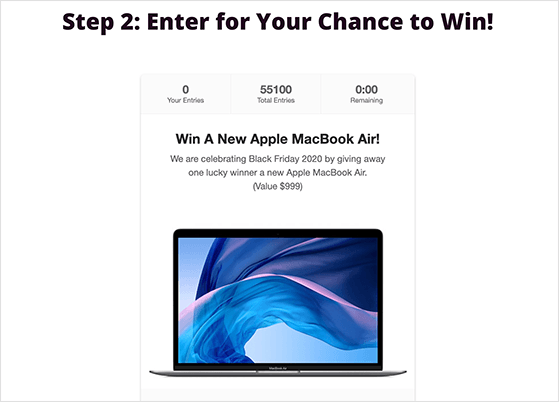
Smash Balloon offered a MacBook Air too and pulled 54,623 entries in under four weeks, adding 3,584 subscribers.
OptinMonster’s giveaway brought in 24,372 entries and more than 3,500 new users, roughly tripling its list growth.
It isn’t only about list size, though.
SeedProd ran a giveaway the week before Black Friday, drew over 50,000 entries, and came out of it reporting 3X its usual sales.
WPForms takes the slow route, running one every month, and has built a Facebook group of 11,000 people that way.
And you don’t need any of that scale to see a result.
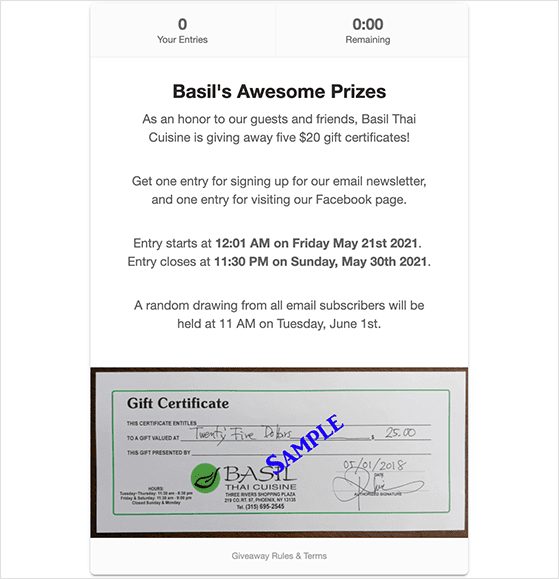
One family restaurant, running a giveaway through its agency, added 61 subscribers from a five-gift-card prize. That was 52% list growth from a single contest, which is a jump a small list rarely gets any other way.
Here’s how they stack up side by side.
| Campaign | Prize | Entries | Result | Standout entry action |
|---|---|---|---|---|
| RafflePress (own campaign) | MacBook Air | 22,000+ referrals | 6,507 subscribers in 25 days, under $1 each | Refer-a-friend |
| Smash Balloon | MacBook Air | 54,623 | 3,584 subscribers | Email newsletter |
| OptinMonster | Big-ticket prize | 24,372 | 3,500+ new users, 3X list growth | Refer-a-friend |
| SeedProd | MacBook Air | 50,000+ | 4,000+ users, 3X sales | Refer-a-friend |
| WPForms | Monthly | Ongoing | 50% more subscribers, 11k group | Facebook Group visit |
| Basil Thai (via agency) | 5 gift cards | Small | 61 subscribers, 52% list growth | Email + referral |
Sources: RafflePress email list case study, Smash Balloon, OptinMonster, SeedProd, WPForms, and Agile’ Marketing.
What These Giveaway Statistics Tell You About Running One
Line those campaigns up and the same few patterns show up every time. They matter more than any single headline number, because they’re the levers you actually get to pull.
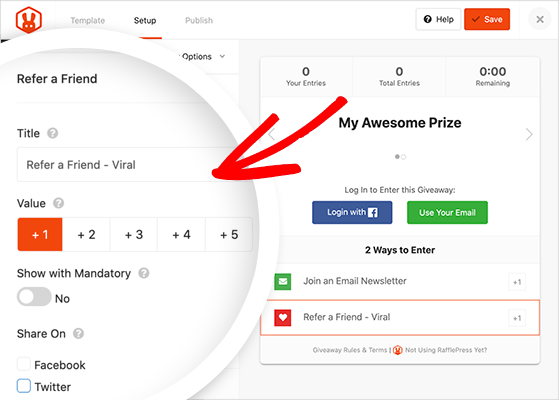
Refer-a-friend is the one that turns a decent giveaway into a viral one. In that 6,507-subscriber campaign, more than 22,000 of the entries came from people passing it on. Every entrant quietly became a recruiter, which is how one prize reached so far past the brand’s own audience.
Your prize sets the ceiling on everything else.
The three campaigns with the highest entry counts all dangled a MacBook, while the one with a modest gift-card prize stayed modest. Pick a prize your ideal customer genuinely wants, and the entries follow.
Then there’s the action people actually bother to finish.
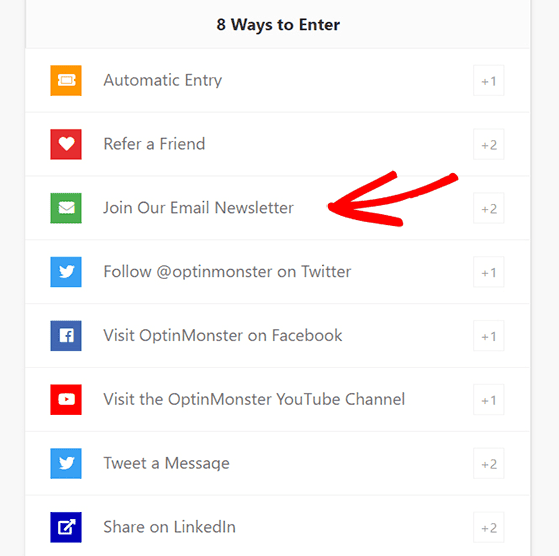
Across all of these, “join the email newsletter” was the most-used entry, because it takes a single click. That’s handy, since capturing emails is usually the whole reason you’re running one.
Timing matters too, though less than you’d think inside a sensible range. One to two weeks is the sweet spot, and once a giveaway drags past a month the entries tail off because there’s no reason to act today.
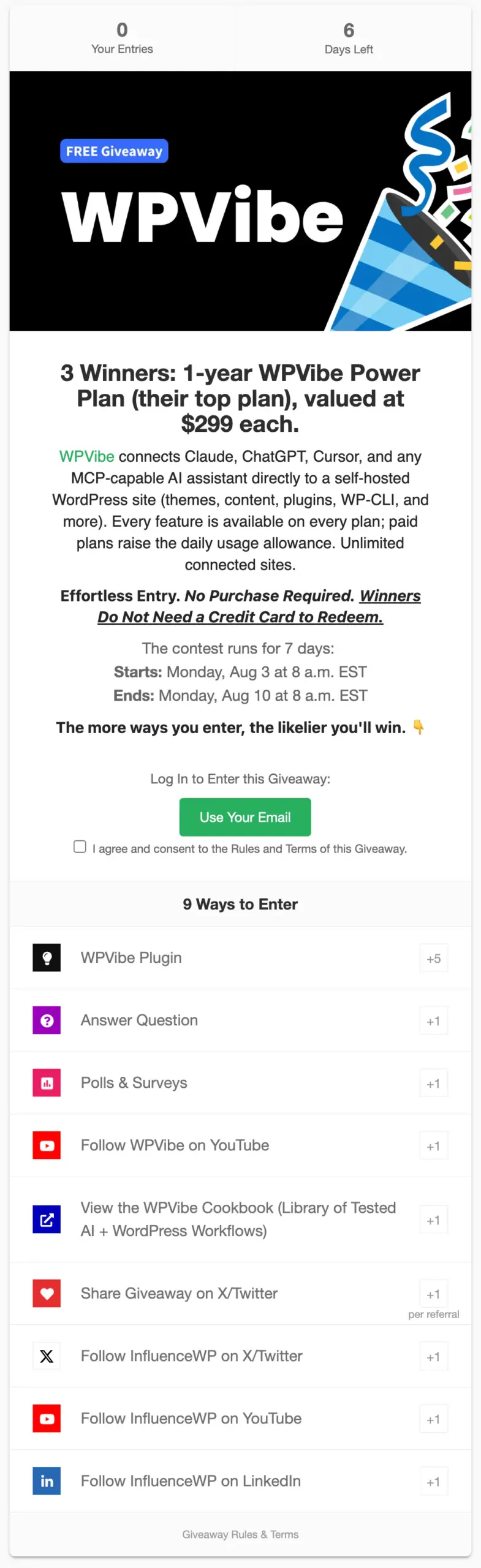
Here’s what all of that looks like in one giveaway by InfluenceWP. It runs for a week, weights its most valuable action highest, and hands out extra entries every time someone shares it.
One last thing the numbers don’t show, but every case study mentions, is what happens after. A giveaway fills your list fast, so a short welcome sequence of three to five emails is what keeps those new subscribers from drifting off the moment the prize is gone.
Free: Download Our Giveaway Playbook
Templates, prize ideas, and promotion strategies in one guide.
The Social Media Numbers Behind Why Giveaways Work
None of this works in a vacuum. Giveaways do so well because they meet people where they’re already spending hours of their day.
About 5.41 billion people are on social media, and the average person gives it roughly 2 hours and 24 minutes a day. A giveaway is one of the few things that hands all that scrolling a reason to actually stop and take part.
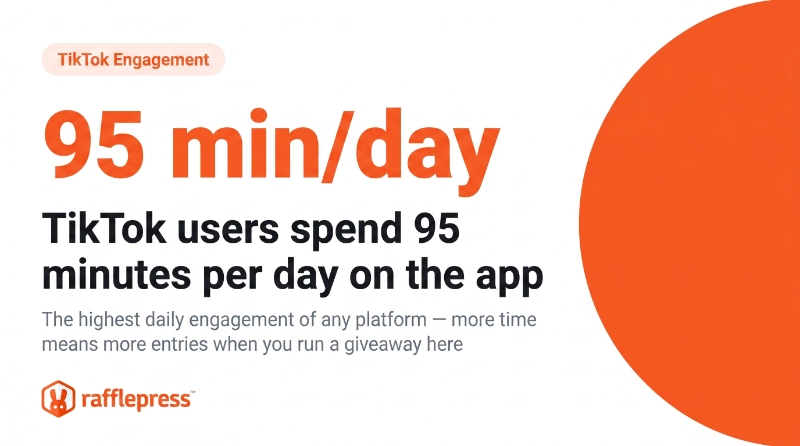
Some networks hold onto that attention longer than others. TikTok users average around 95 minutes a day in the app, more than any other network, so a contest entry there keeps resurfacing in front of people.
Video pulls its weight too.
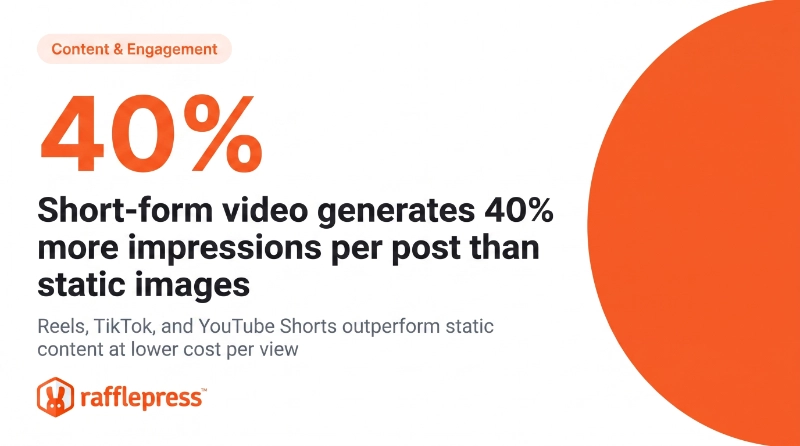
About 92% of businesses say it beats static posts on returns, which is why a quick video announcing your giveaway usually does more than a plain image.
Sources: DataReportal, Statista, and Wyzowl.
How RafflePress Turns These Numbers Into Your Results
If those results made you want to try one, the tool behind nearly all of them is RafflePress, a WordPress giveaway plugin built to grow your email list, social following, and traffic from a single contest.
I know, RafflePress is our own product, but the case studies above aren’t ours to spin. They’re documented results from real brands, and the same mechanic is doing the work in each one: refer-a-friend, which turns every entrant into someone pulling their friends in too.
That’s the part most manual giveaways miss.
You pick a prize and choose from 30+ entry actions like email signups, social follows, and video views. RafflePress handles the rest, tracking every entry, crediting referrals on its own, and filtering out the fake ones so your results stay honest.
And because it’s a one-time payment that lives on your own WordPress site, the list you build stays yours.
What to Do Right Now
So if you want your own version of these numbers, you don’t need much to get going.
Here’s where I’d point you first.
- Pick a prize your ideal customer actually wants. The MacBook worked because almost everyone wants one, but a bundle of your own products works better when your audience is niche.
- Turn on refer-a-friend from day one. It’s the single thing that separated the campaigns that went viral from the ones that stalled.
- Run it for one to two weeks. Set an end date close enough that people feel they have to enter now.
- Plan the follow-up before you launch. Write a short welcome sequence so new subscribers don’t go cold the day the giveaway ends.
Frequently Asked Questions
Do giveaways actually work for growing an email list?
Yes, and the numbers back it up. One documented campaign added 6,507 subscribers in 25 days, and a small restaurant grew its list by 52% with a single contest. The result depends on your prize and whether you turn on referral sharing, but list growth is the most consistent outcome across real giveaways.
How many entries should I expect from a giveaway?
It depends almost entirely on your prize and your reach. Documented campaigns range from a few dozen entries for a small local giveaway to more than 54,000 for a brand offering a MacBook. A realistic goal for a first giveaway with a good prize is a few hundred to a few thousand entries.
What’s the best entry action to include?
Refer-a-friend drives the most growth, because it turns each entrant into a promoter. In one campaign it generated over 22,000 referrals. Pair it with a required email signup, which is the action most people complete because it takes a single click.
How long should a giveaway run?
One to two weeks is the sweet spot for most giveaways. That window gives referrals time to spread while a visible end date keeps people from putting off their entry. Push much past a month and entries tend to drift, because the deadline stops feeling real.
Do giveaways just attract people who unsubscribe afterward?
Some will leave, but your prize decides the quality of your entrants. Offer something your ideal customer genuinely wants, and most entrants are people who’d buy from you anyway. A short welcome email sequence after the giveaway keeps the ones worth keeping.
Start Your Own Giveaway
You’ve seen what real campaigns did, and none of them needed a big team or a big ad budget behind them. The quickest way to get your own numbers is to run one giveaway and watch what refer-a-friend does to your reach.
You can get started with RafflePress and set up your first giveaway today.
You may also find these guides helpful:
If you liked this article, please subscribe to our YouTube Channel for RafflePress video tutorials. You can also find us on Twitter and Facebook.


